























PRICE TRANSPARENCY
Open pricing on iconic designs, zero luxury brand markup.
MATERIAL TRANSPARENCY
Full material disclosure, upgraded core build standards.
FIXED 15% MARGIN
A flat 15% margin only, no hidden costs baked in.
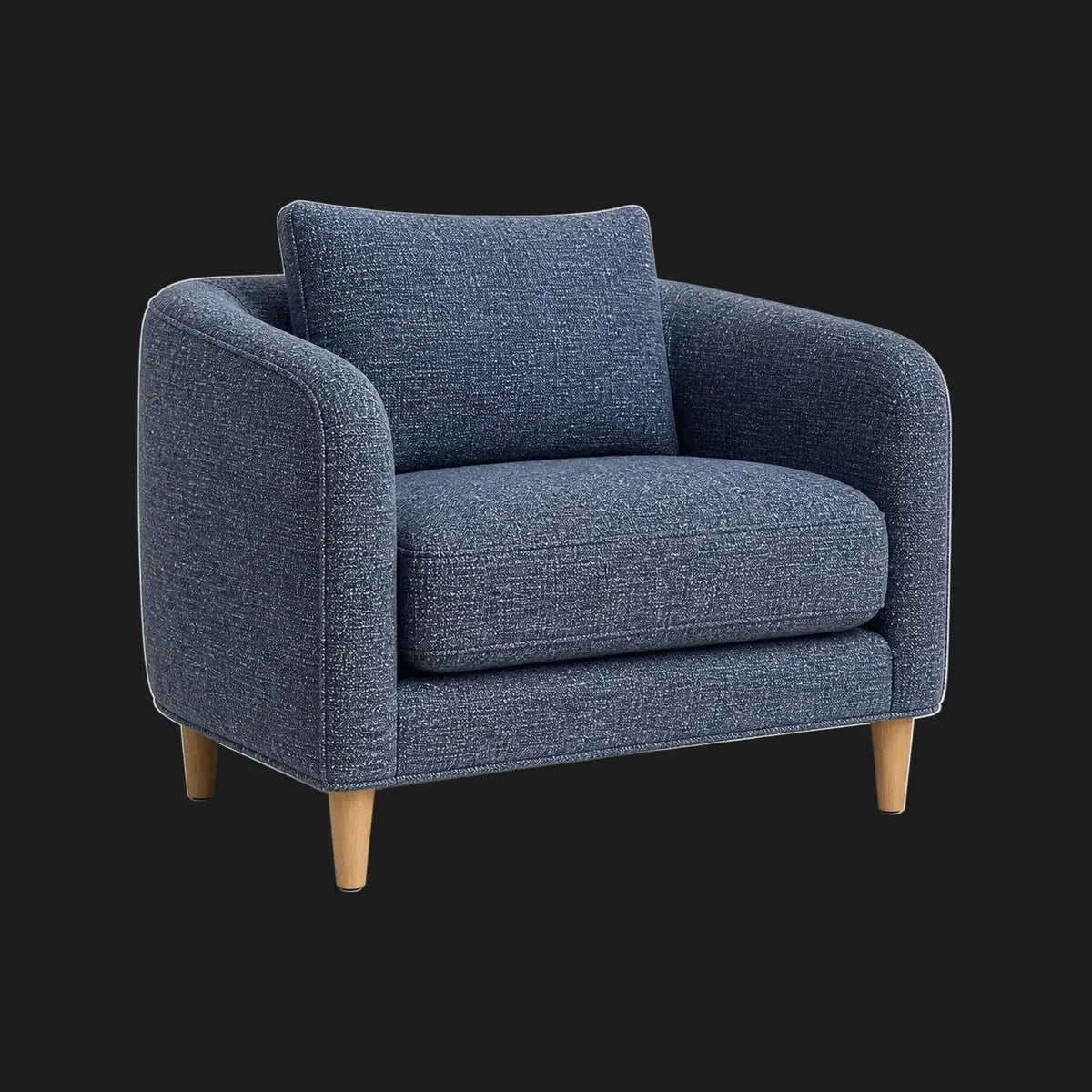
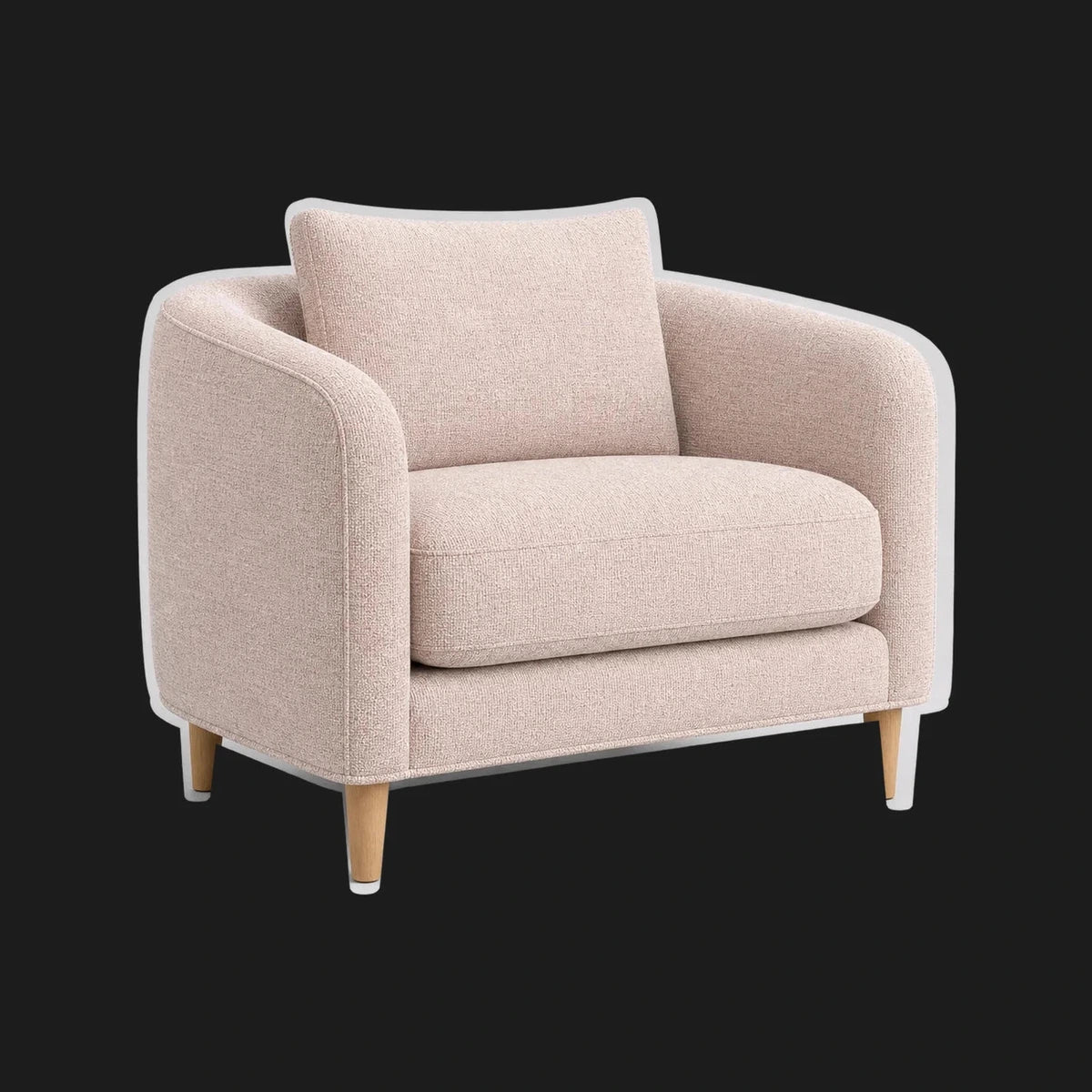
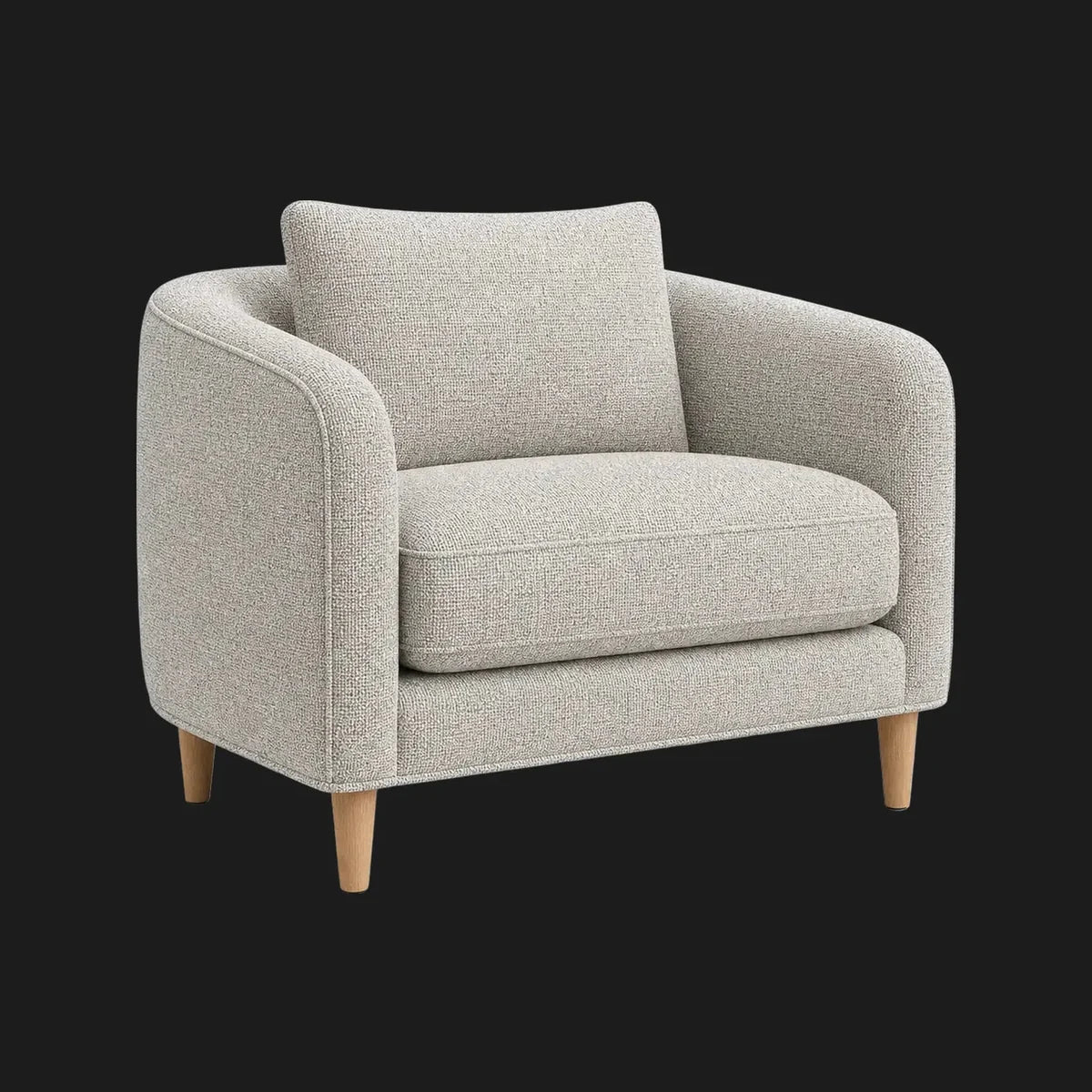
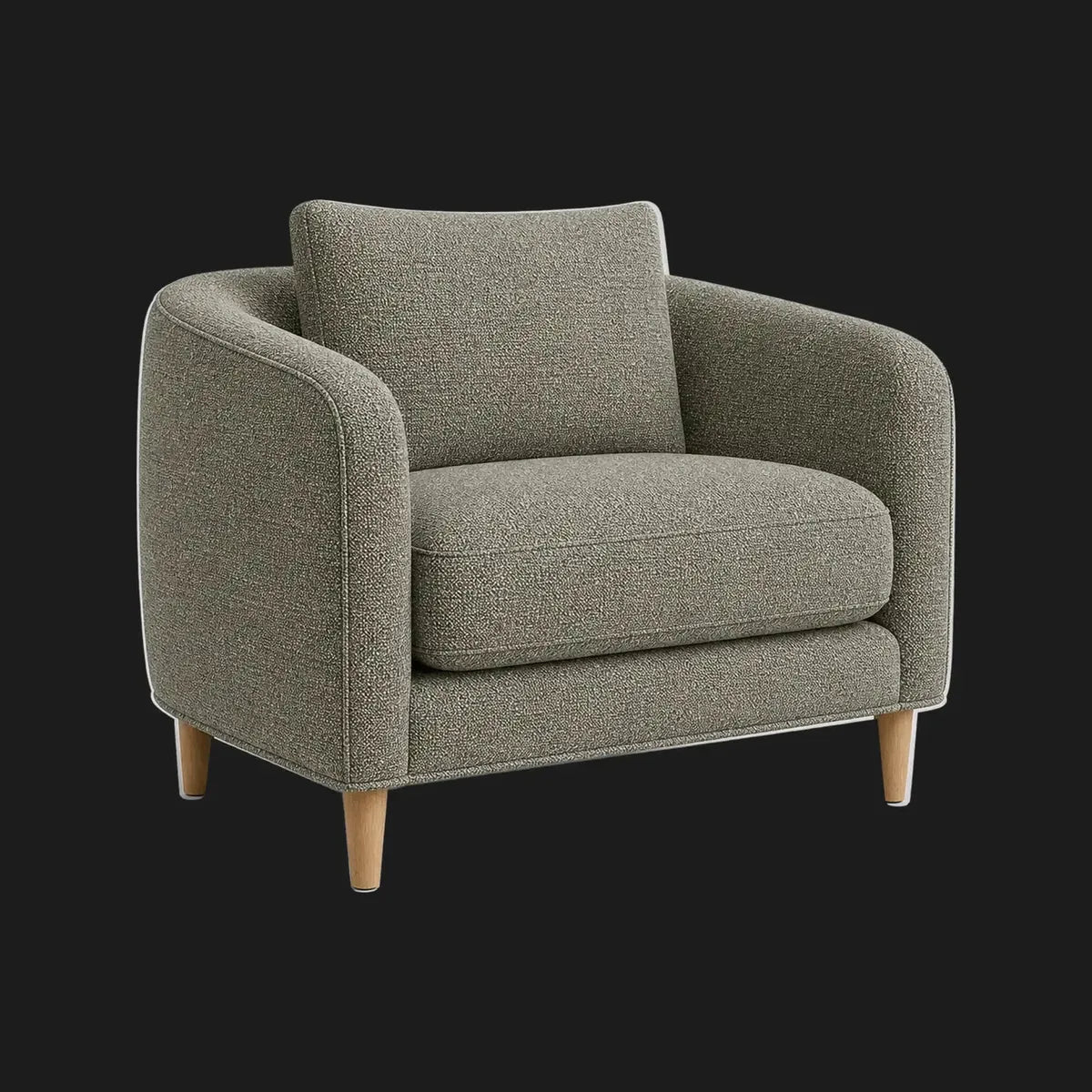
Remmy Lounge Chair
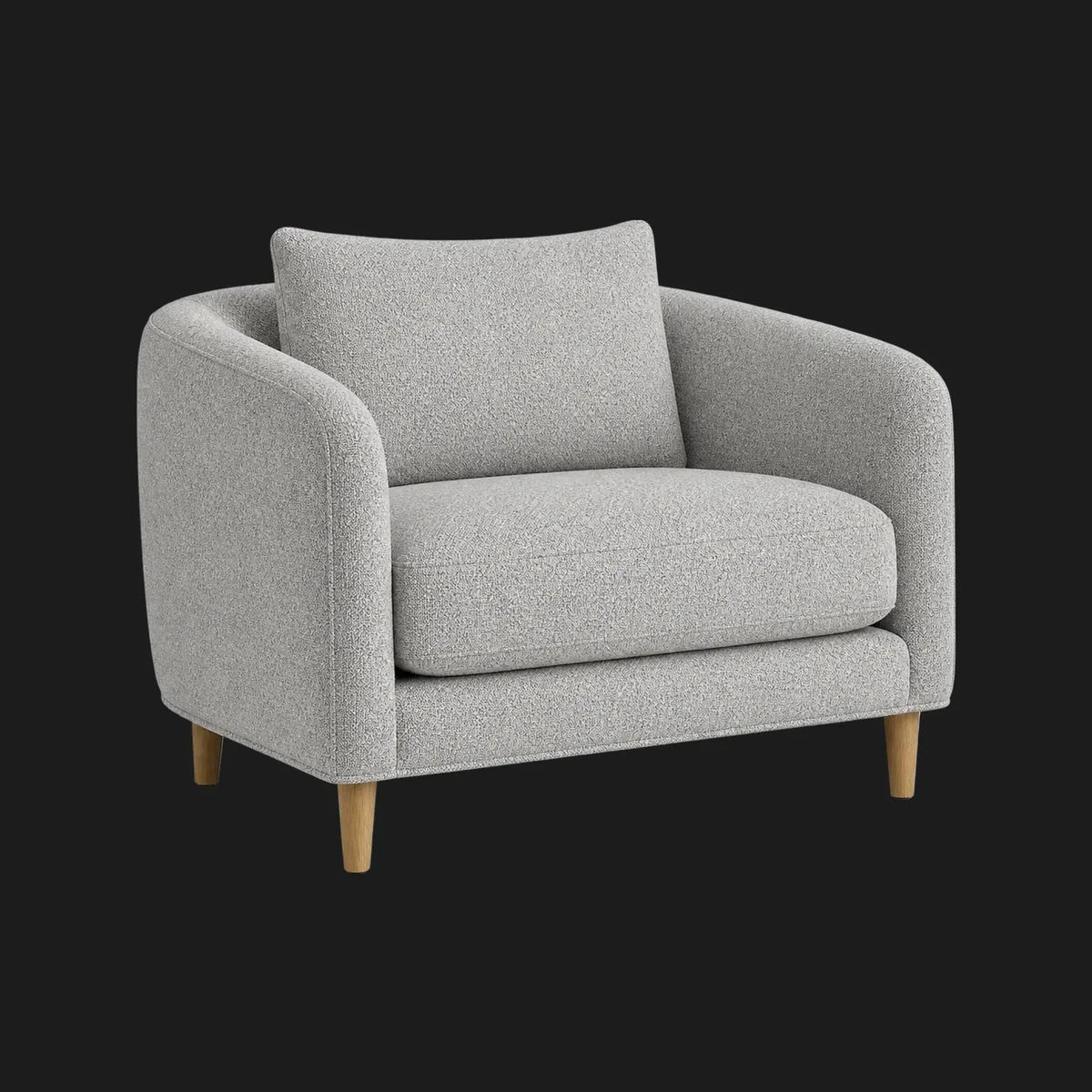
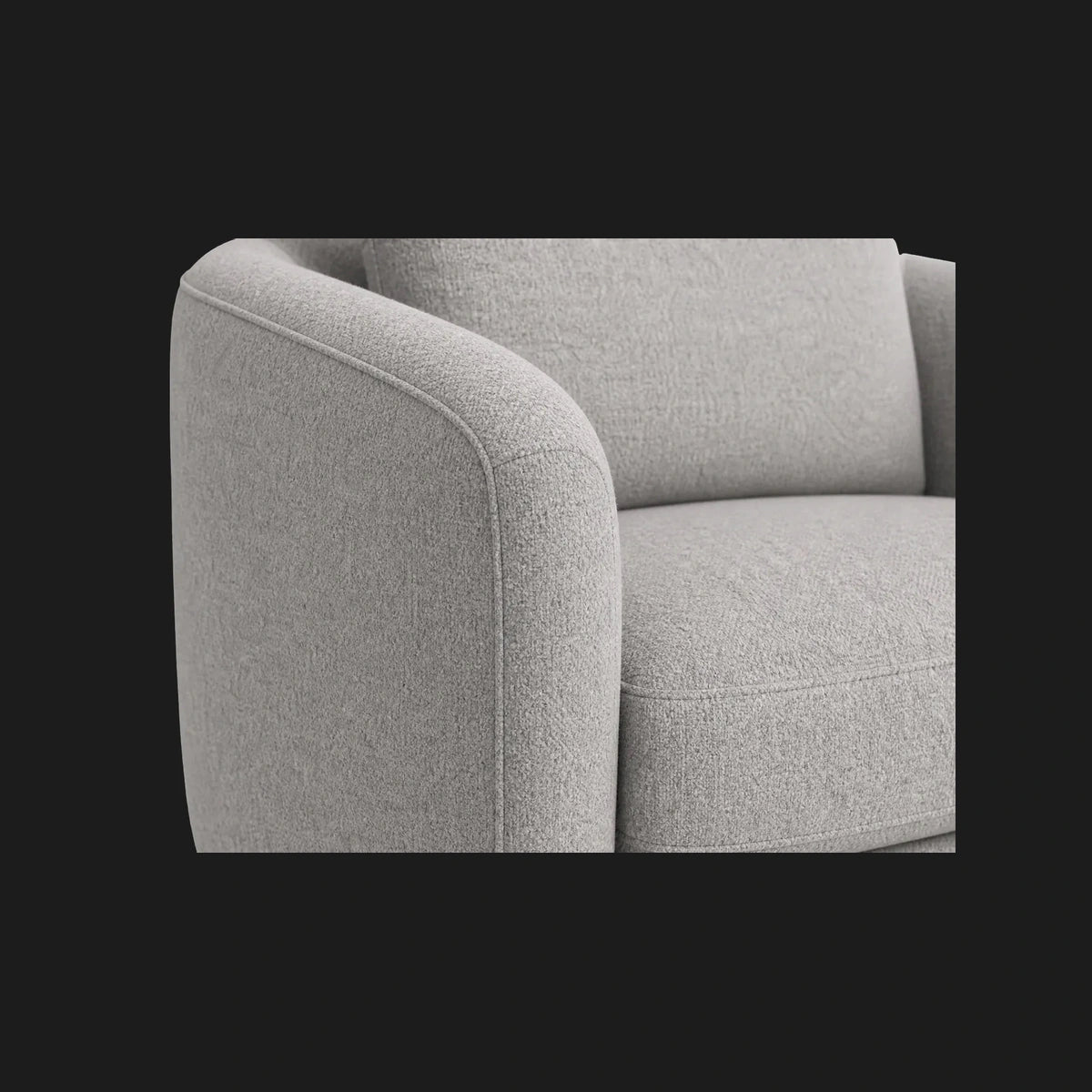
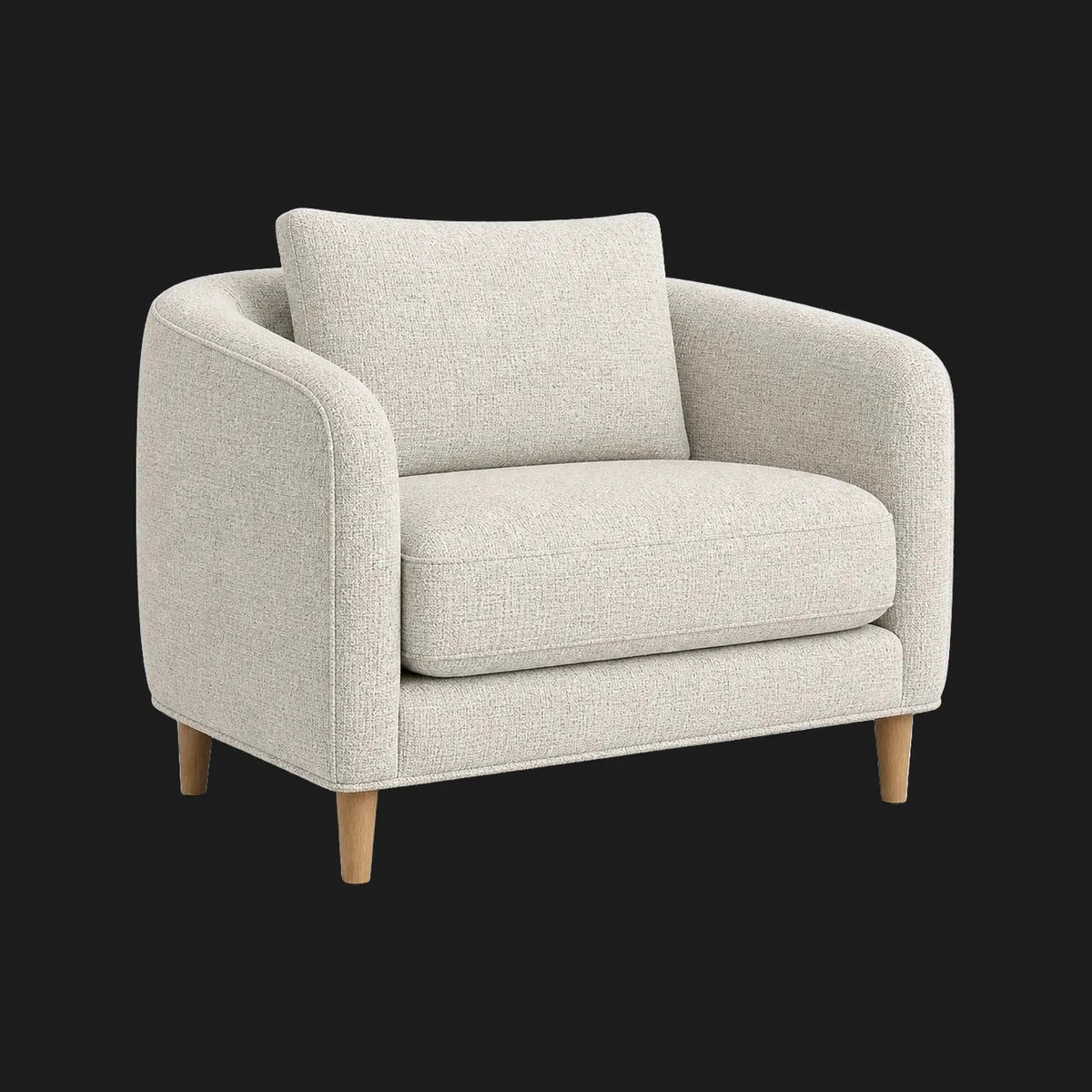
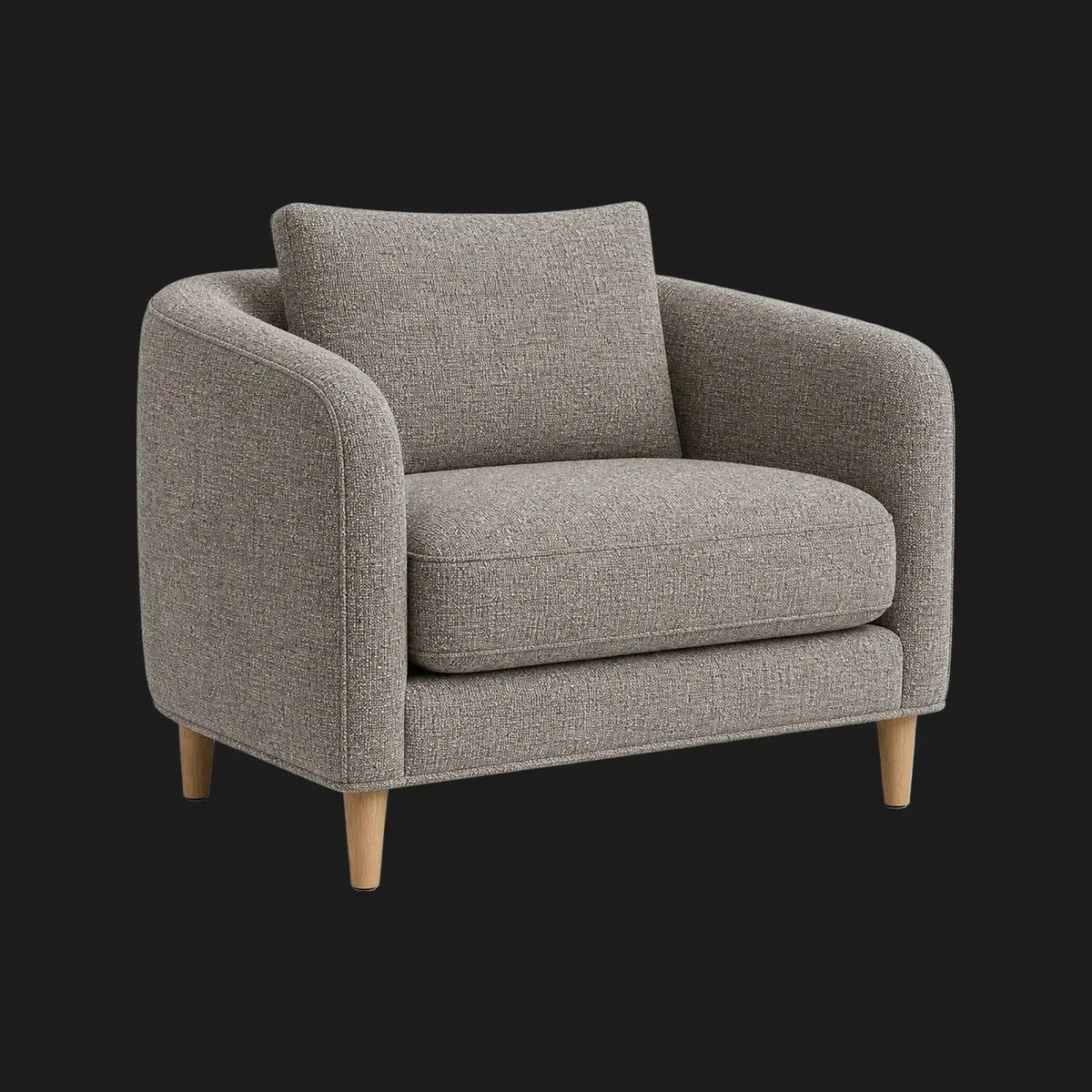
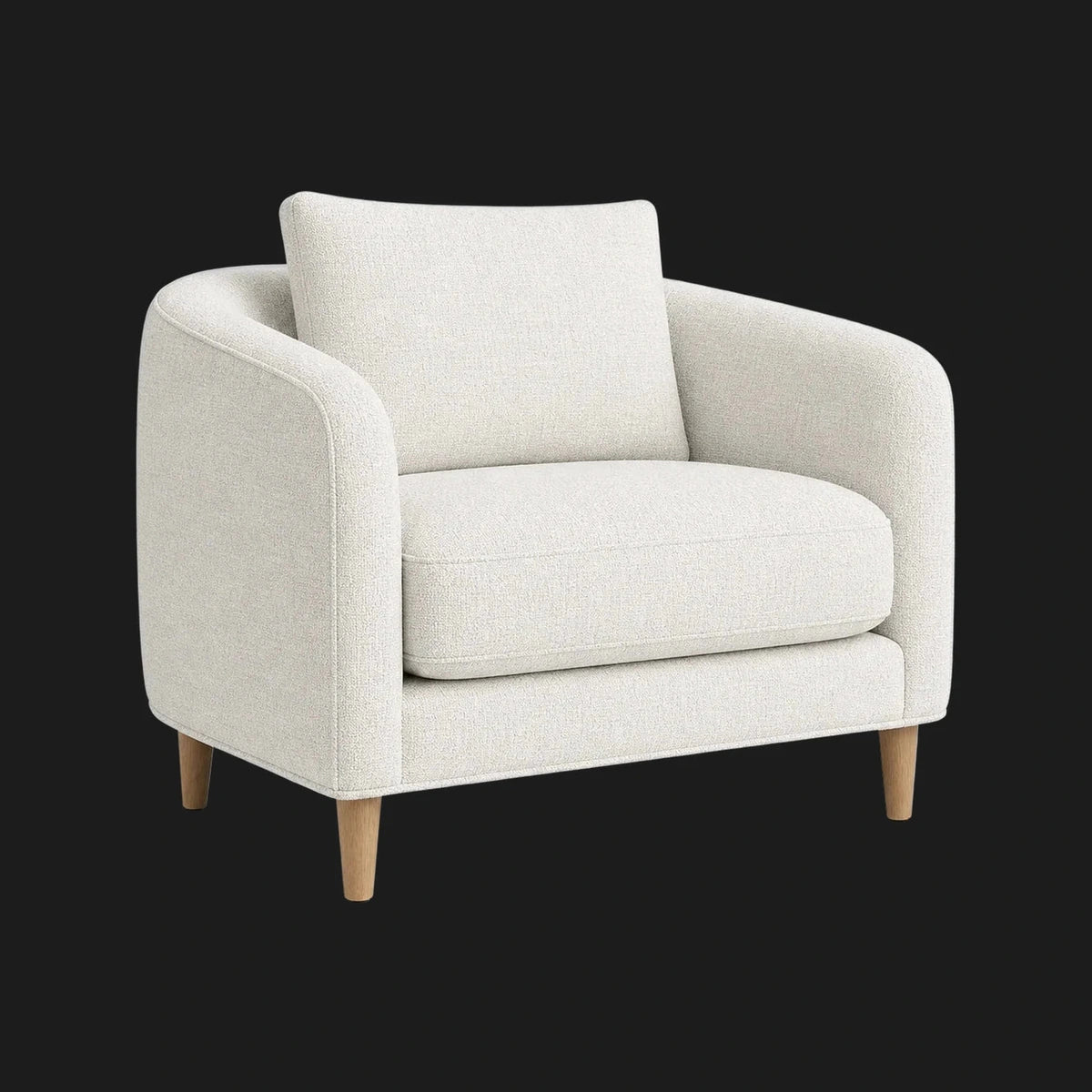
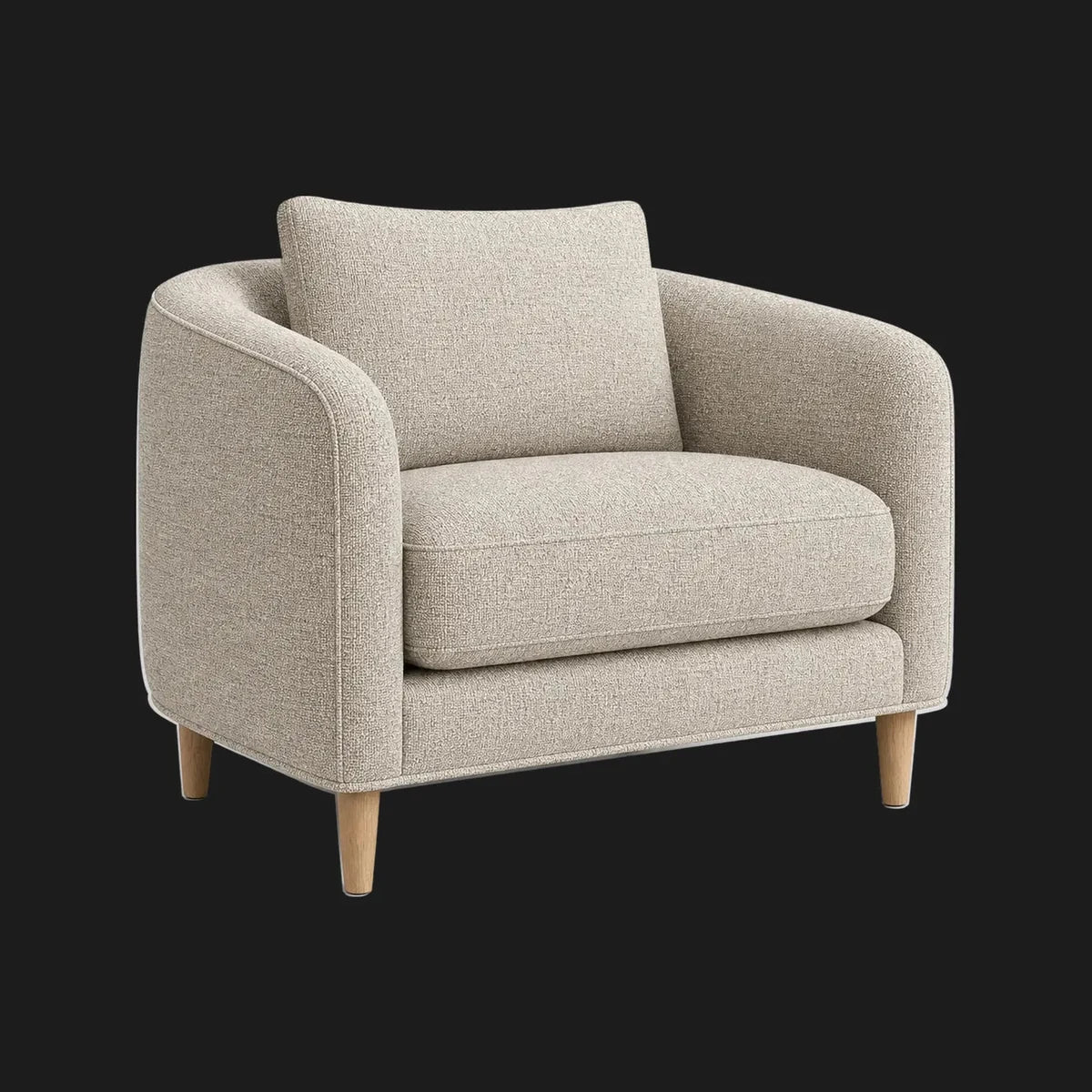
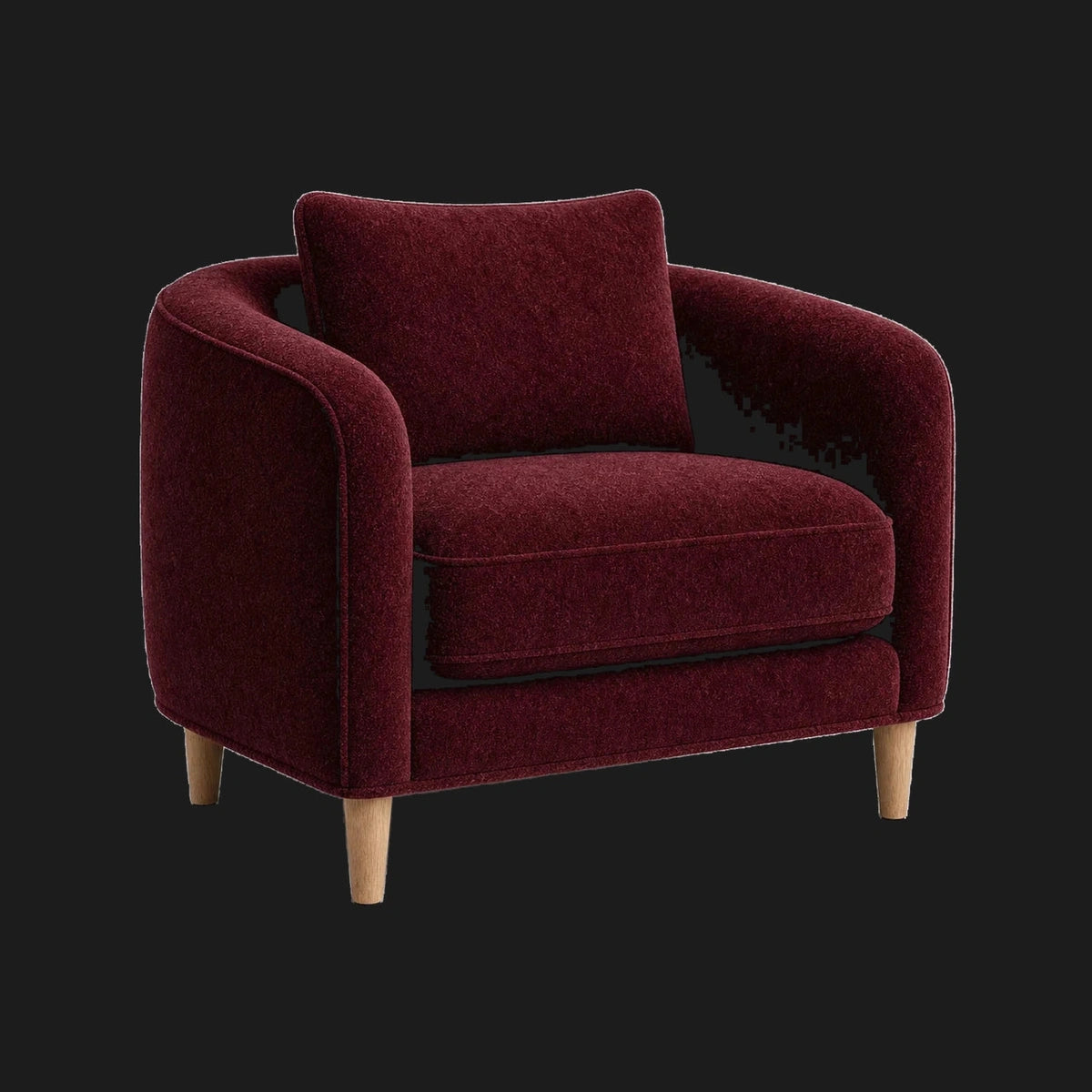
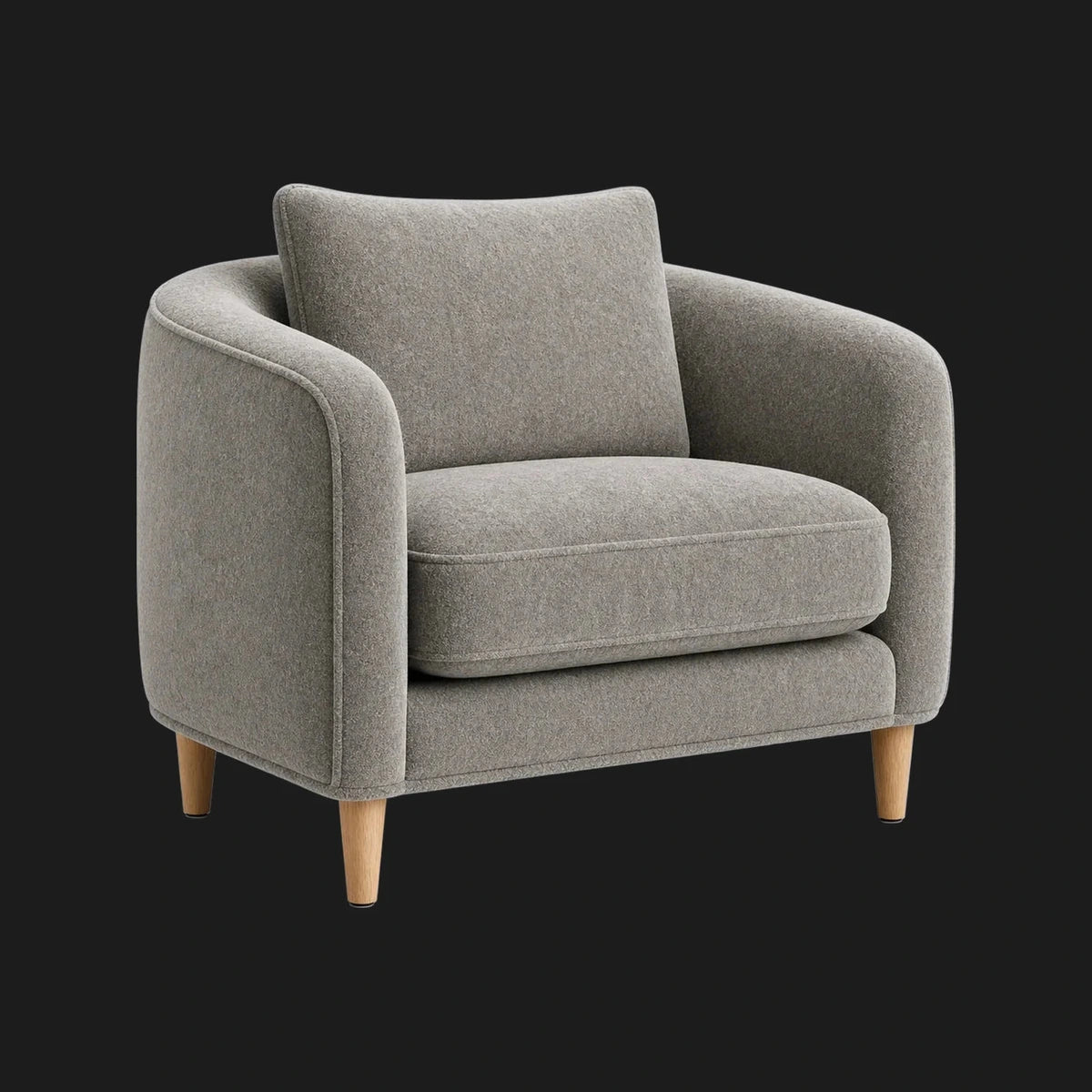
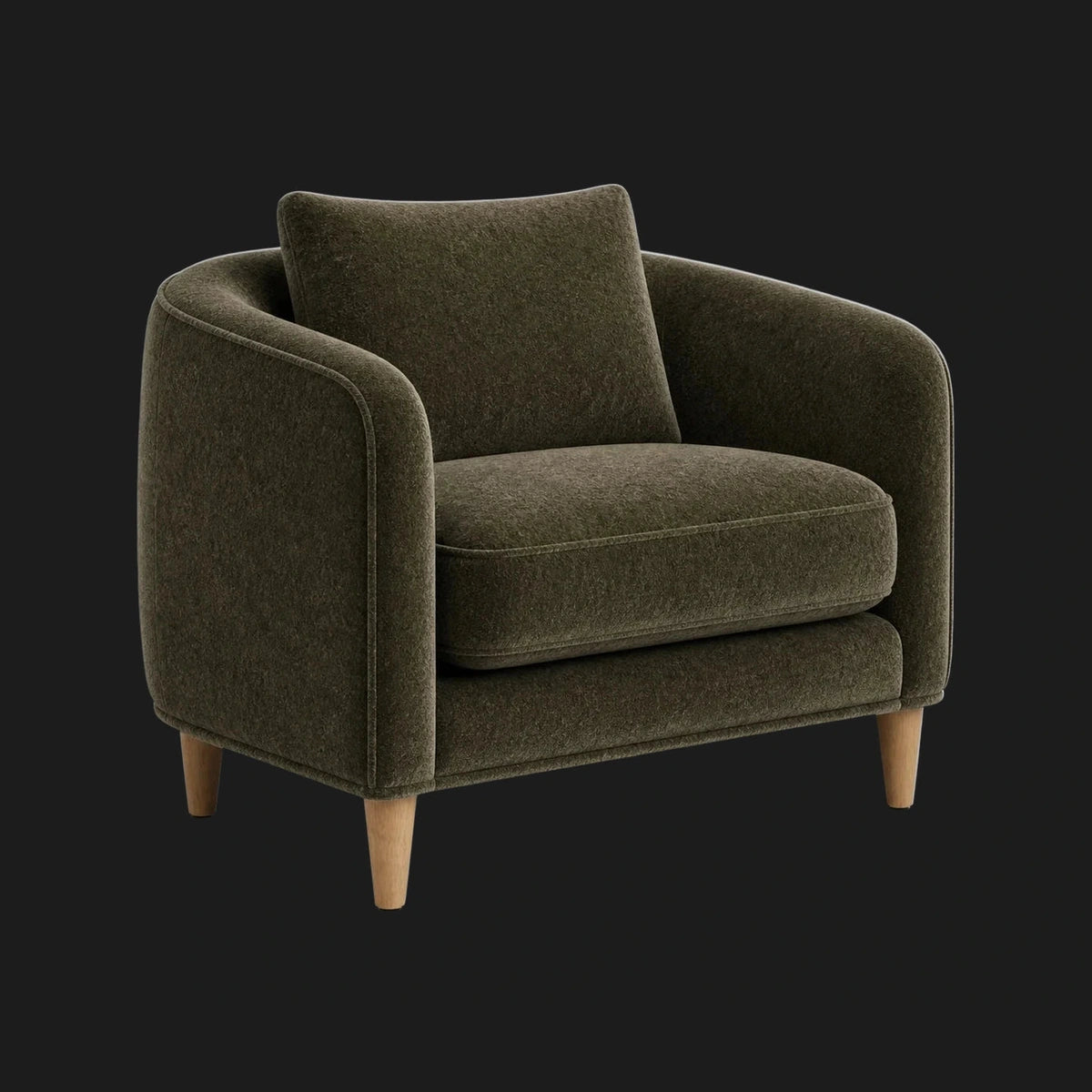
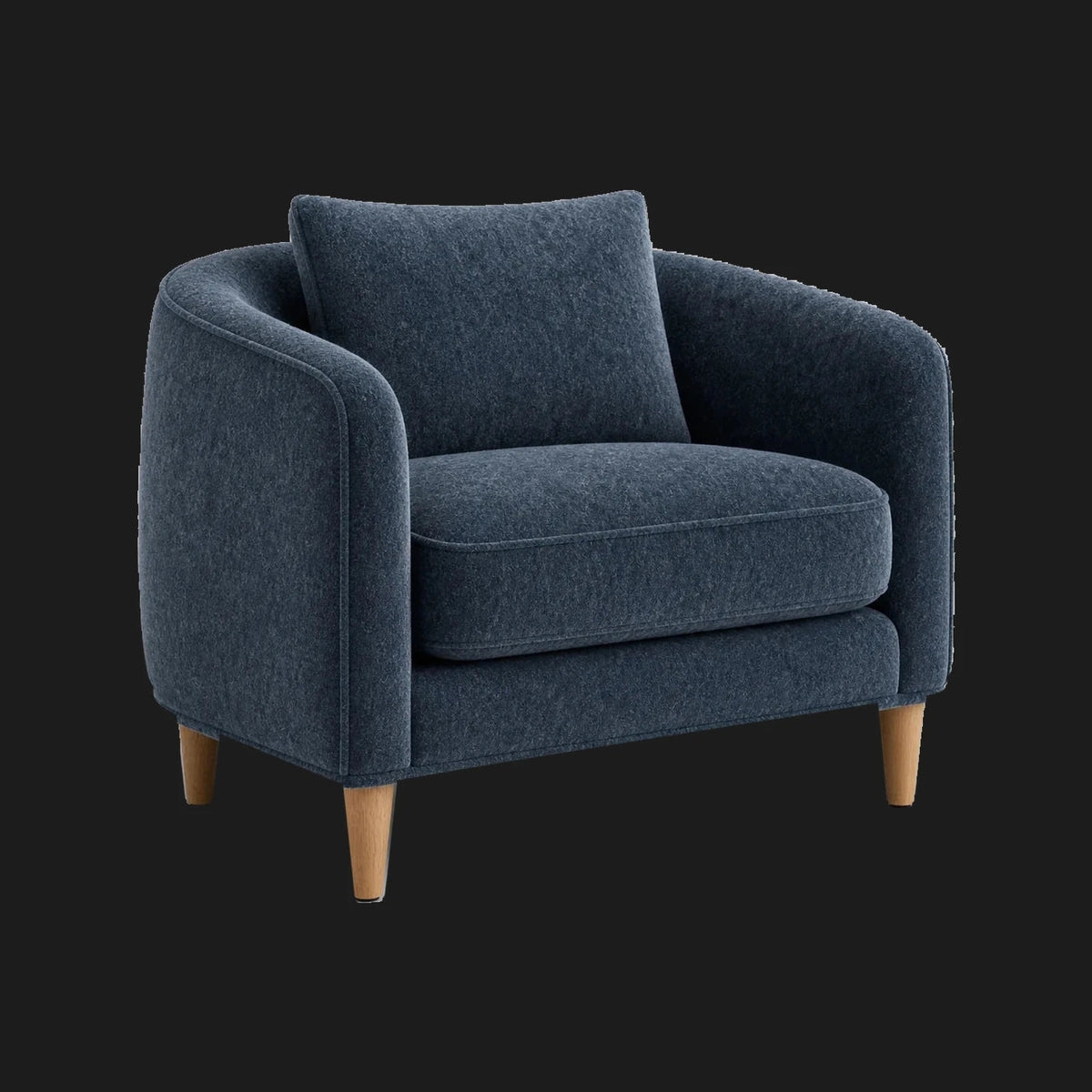
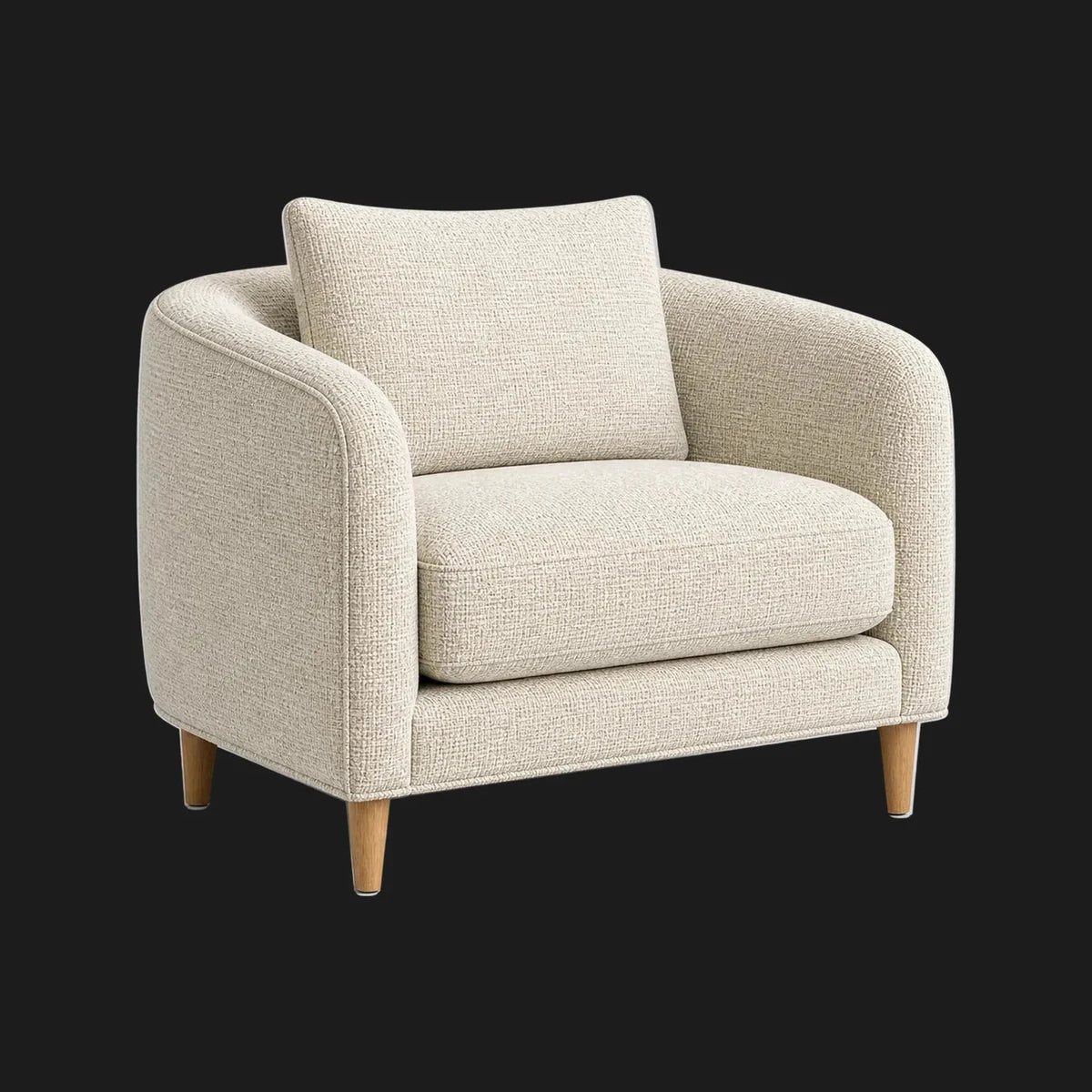
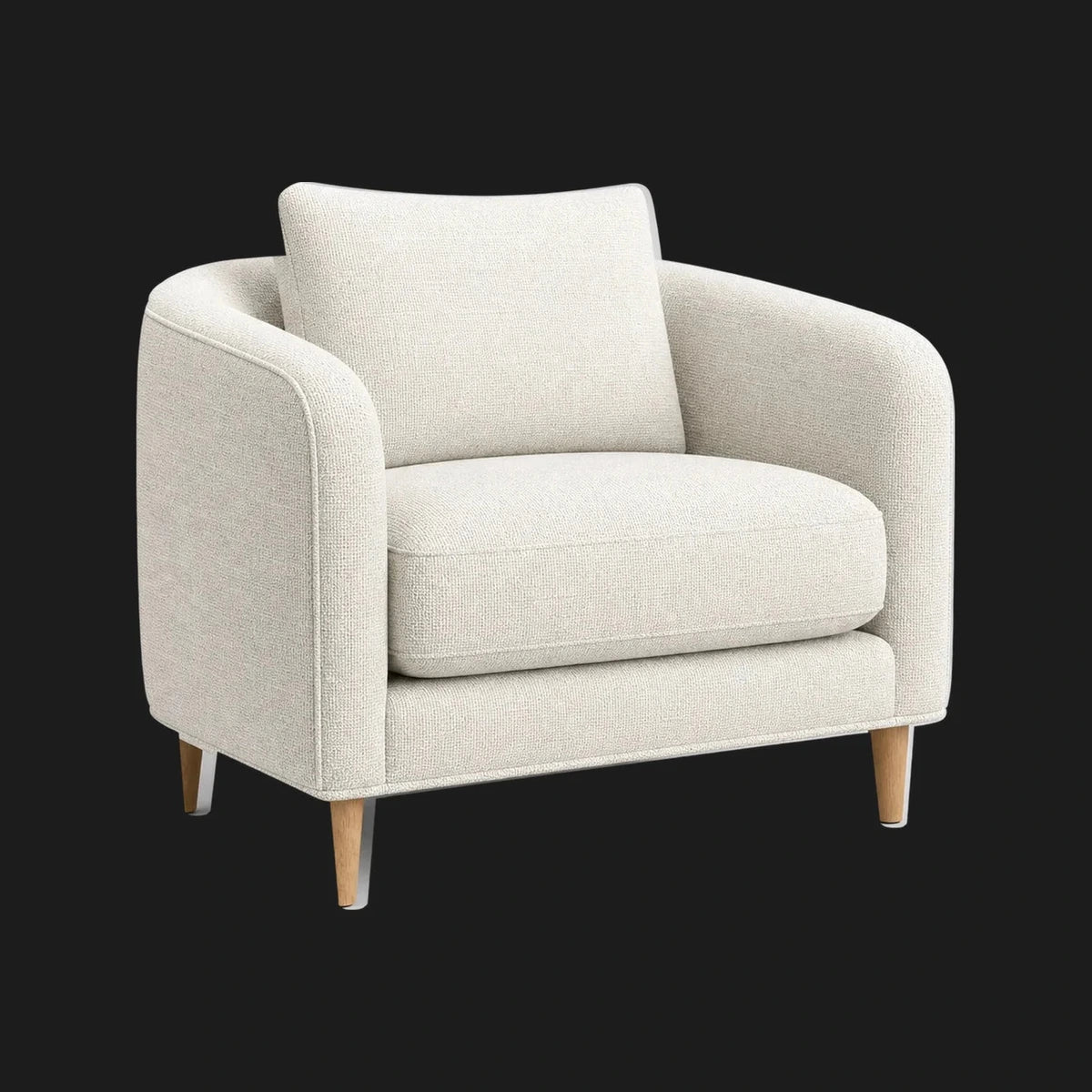
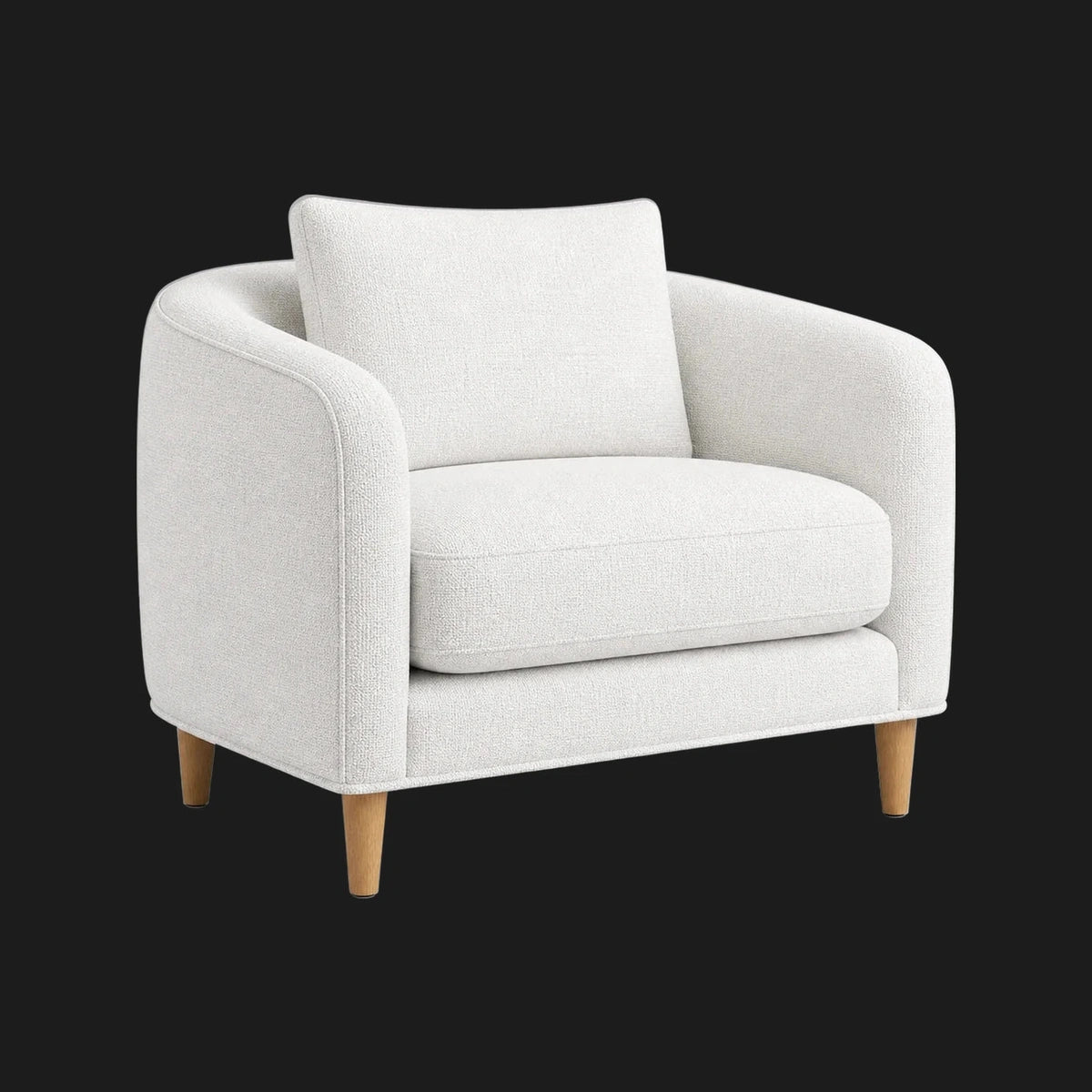
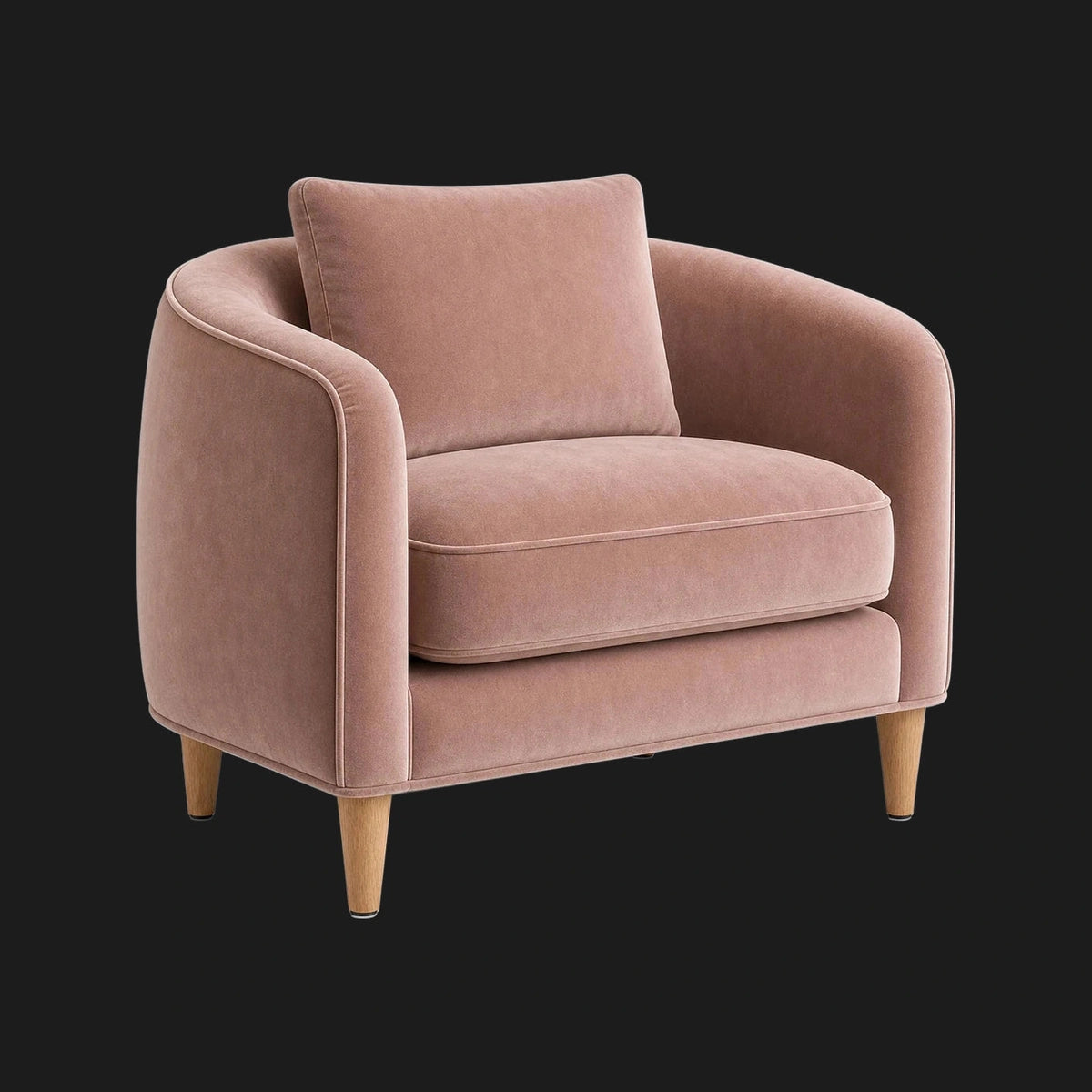
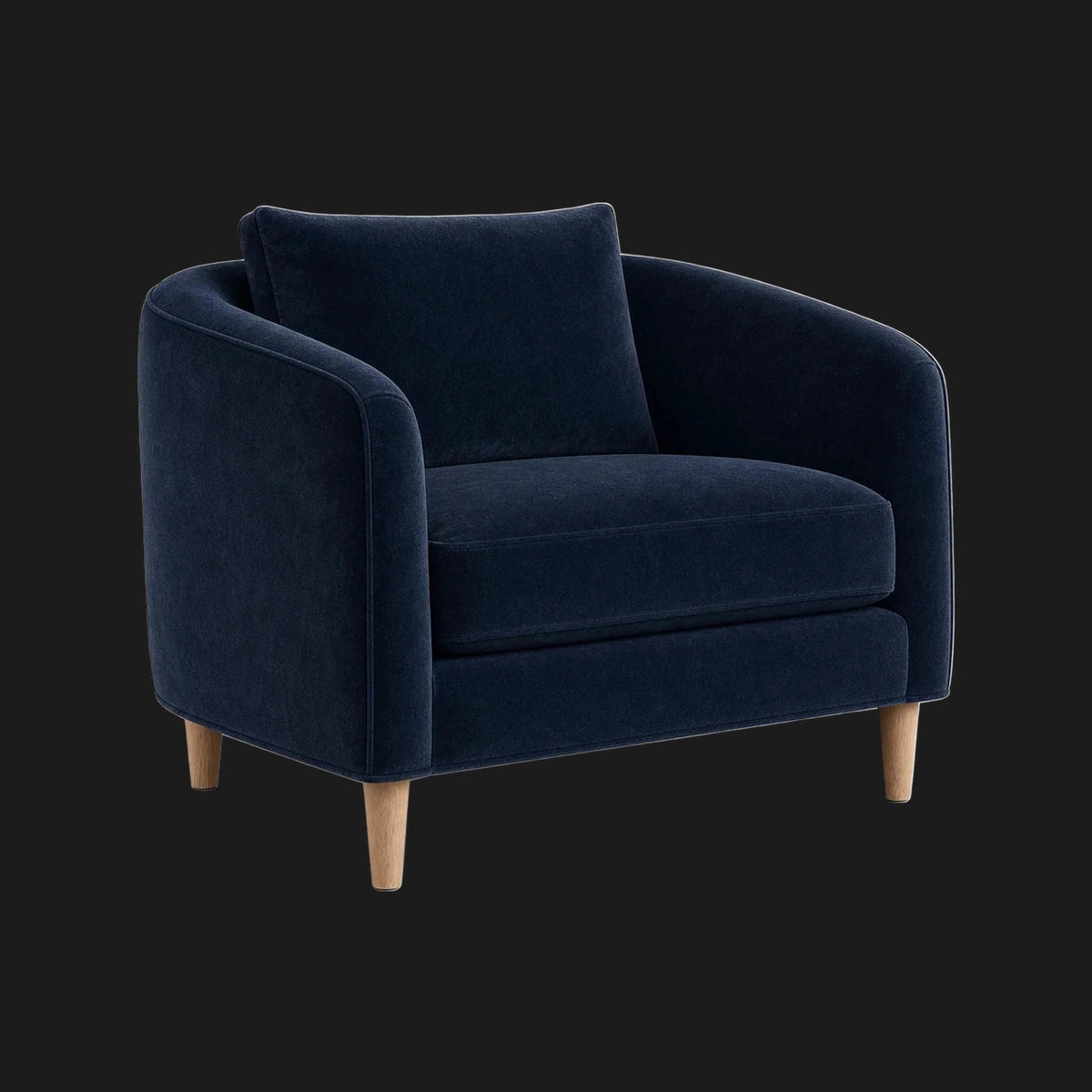
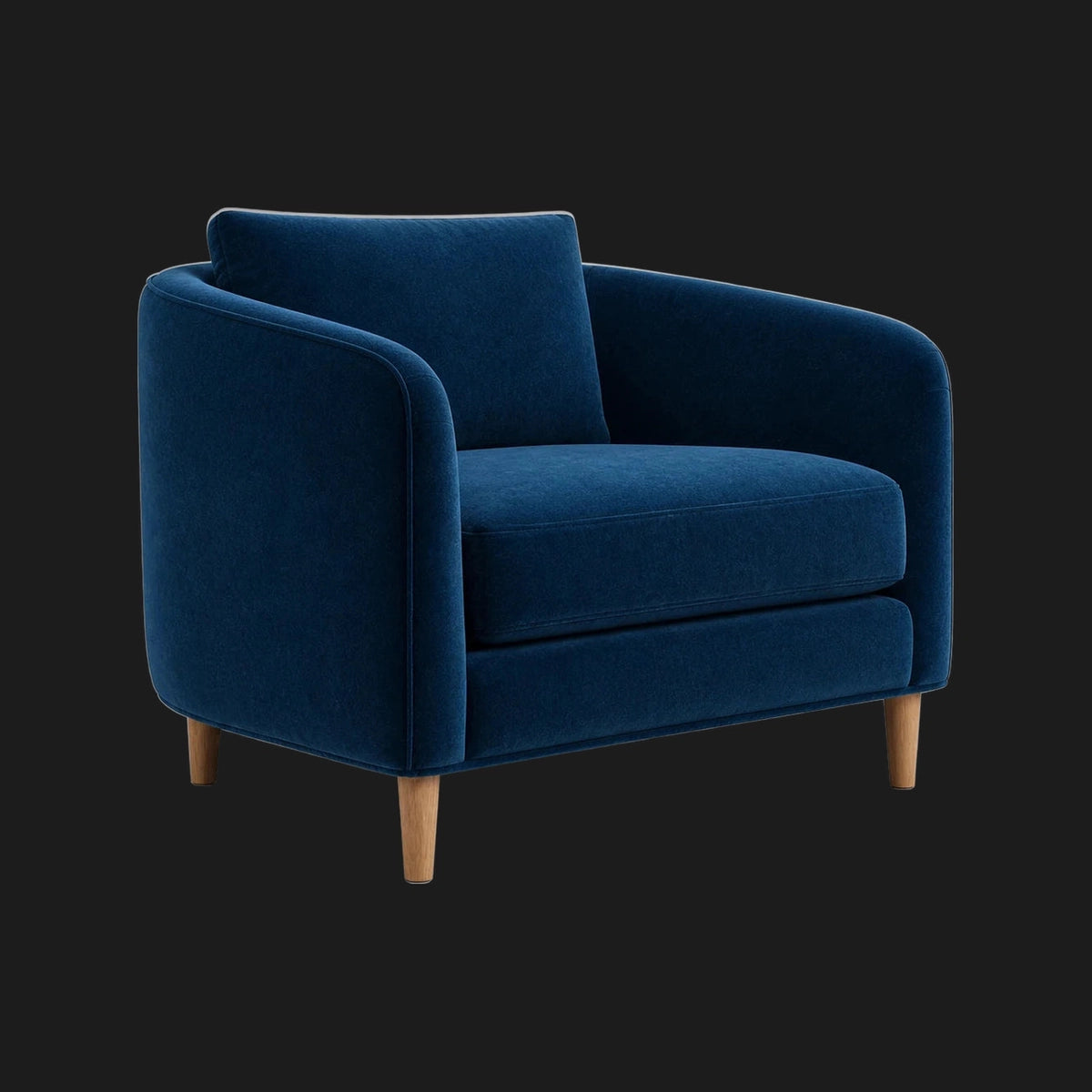
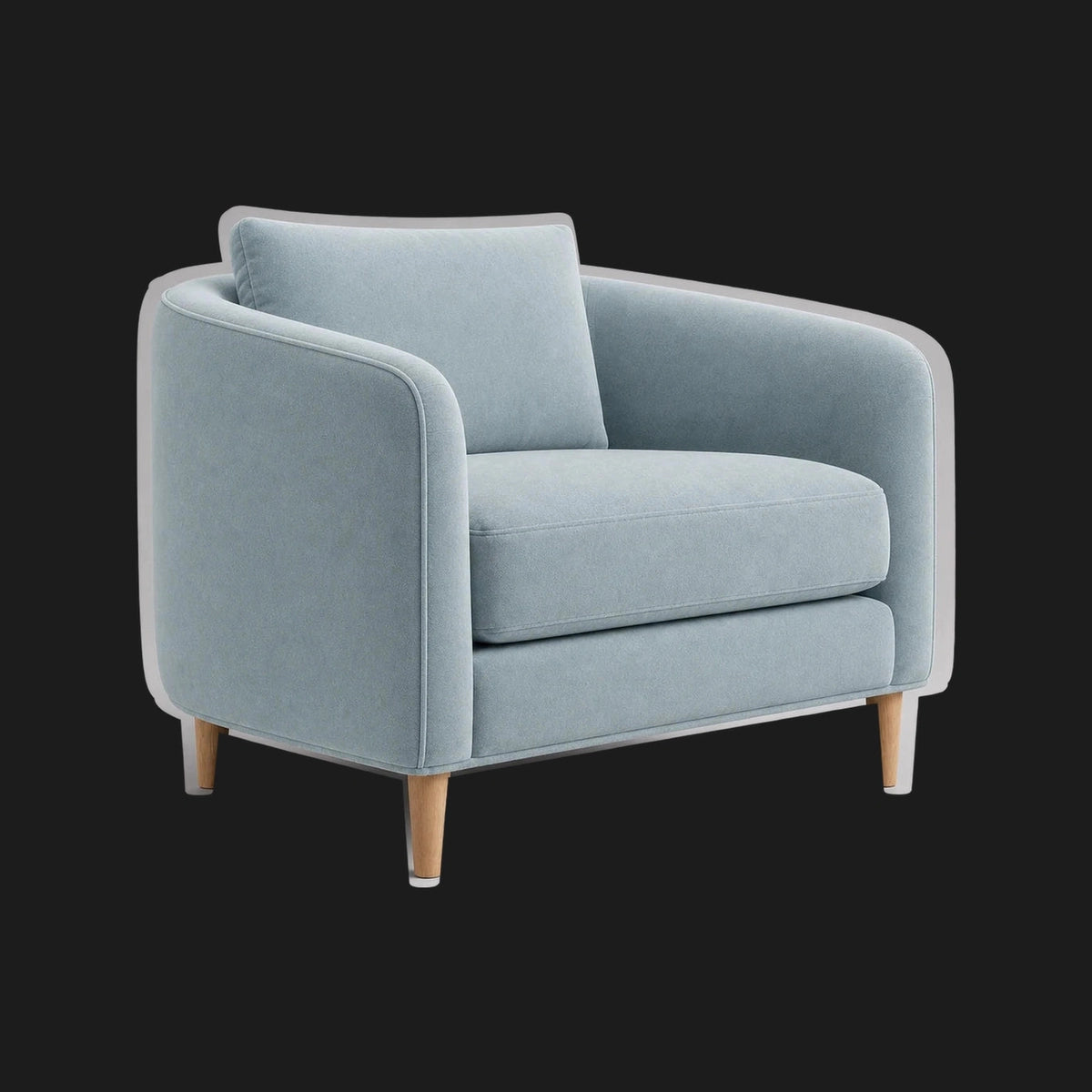
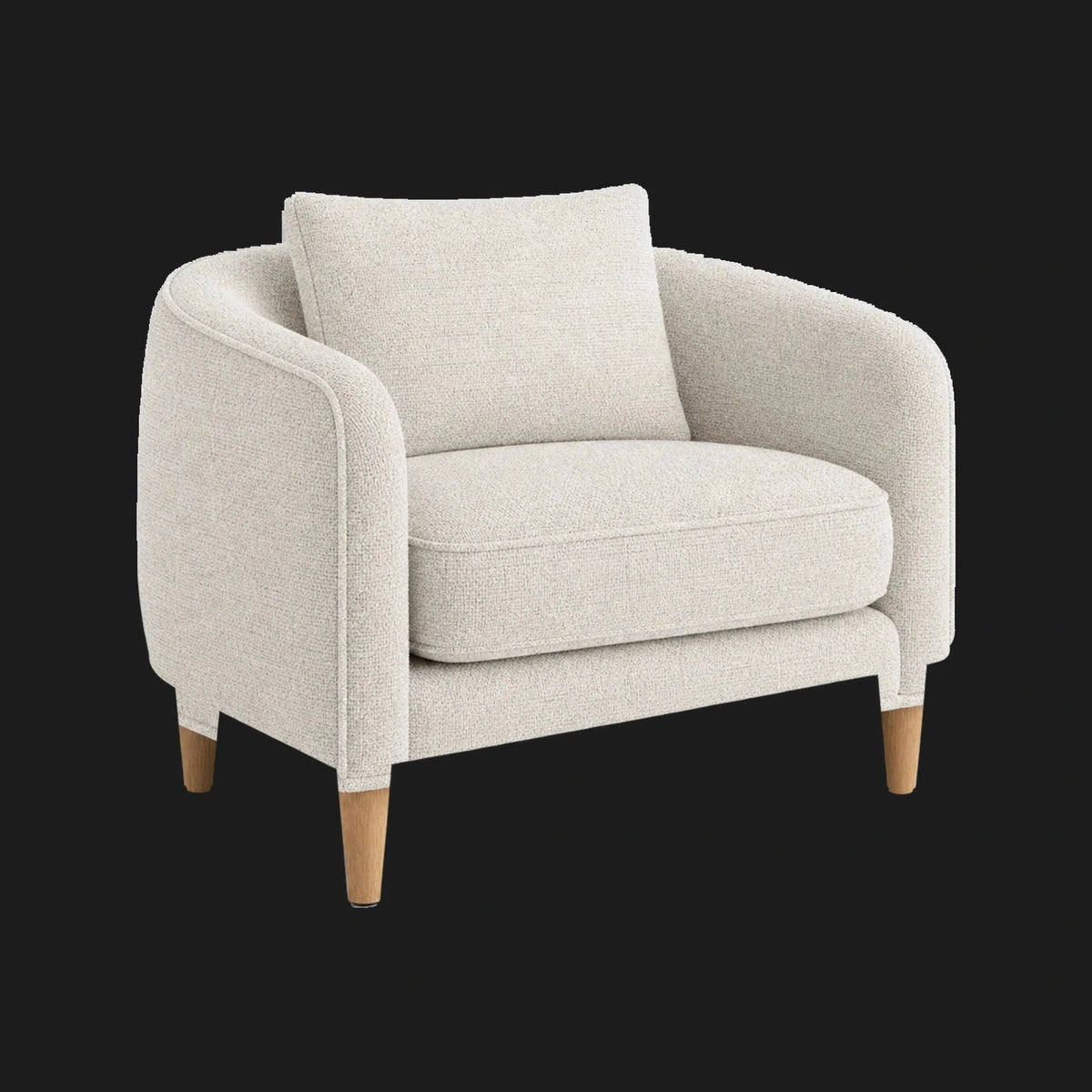
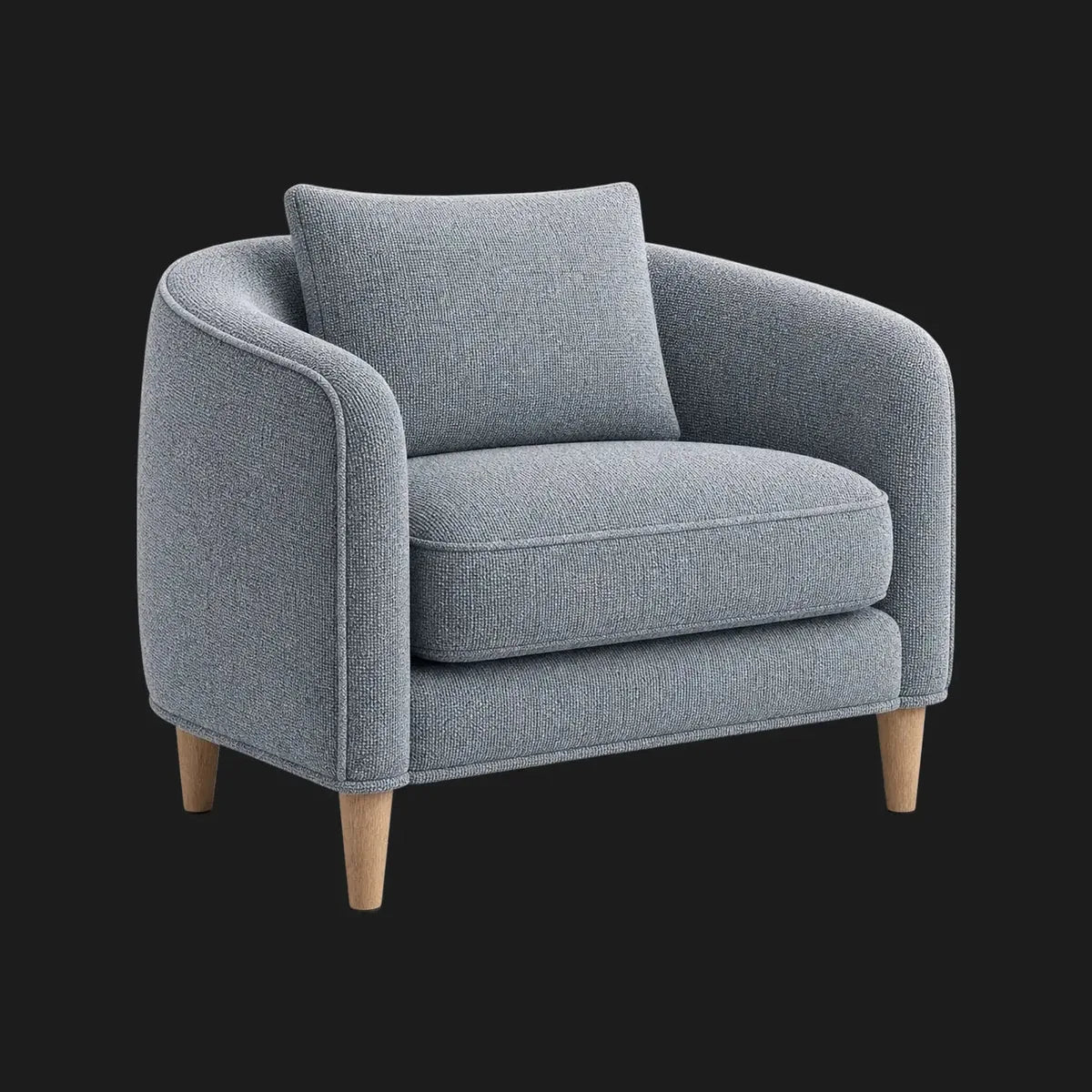
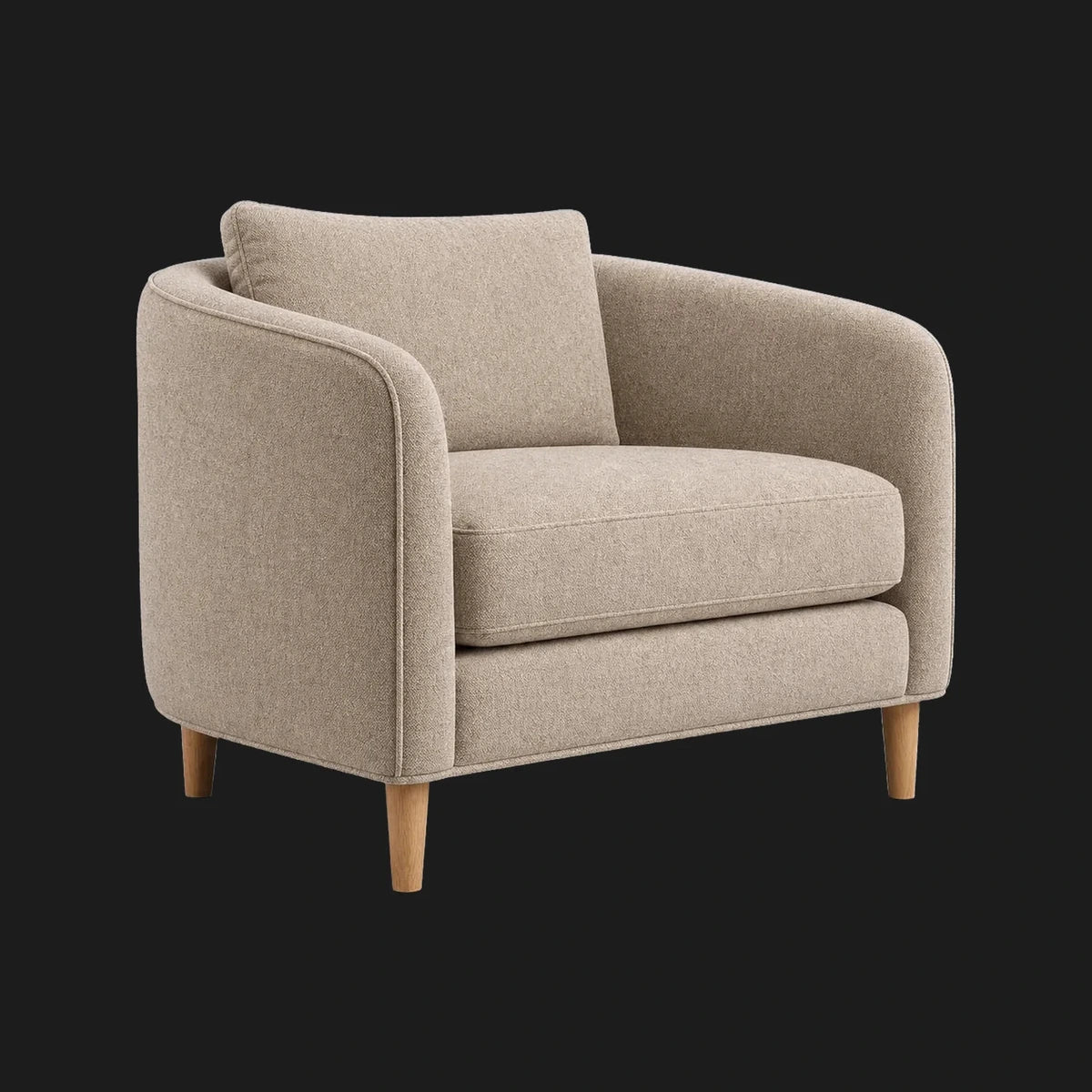
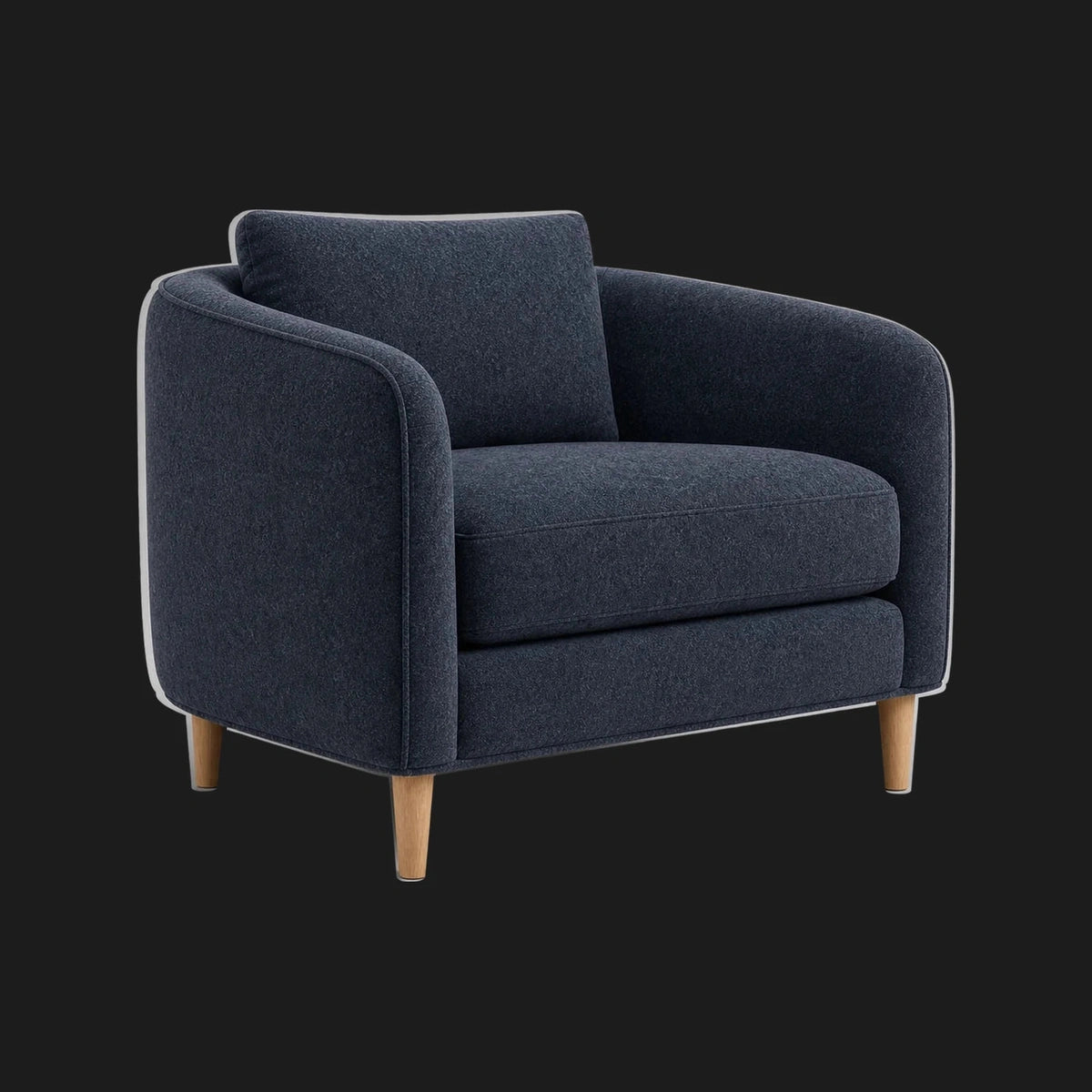
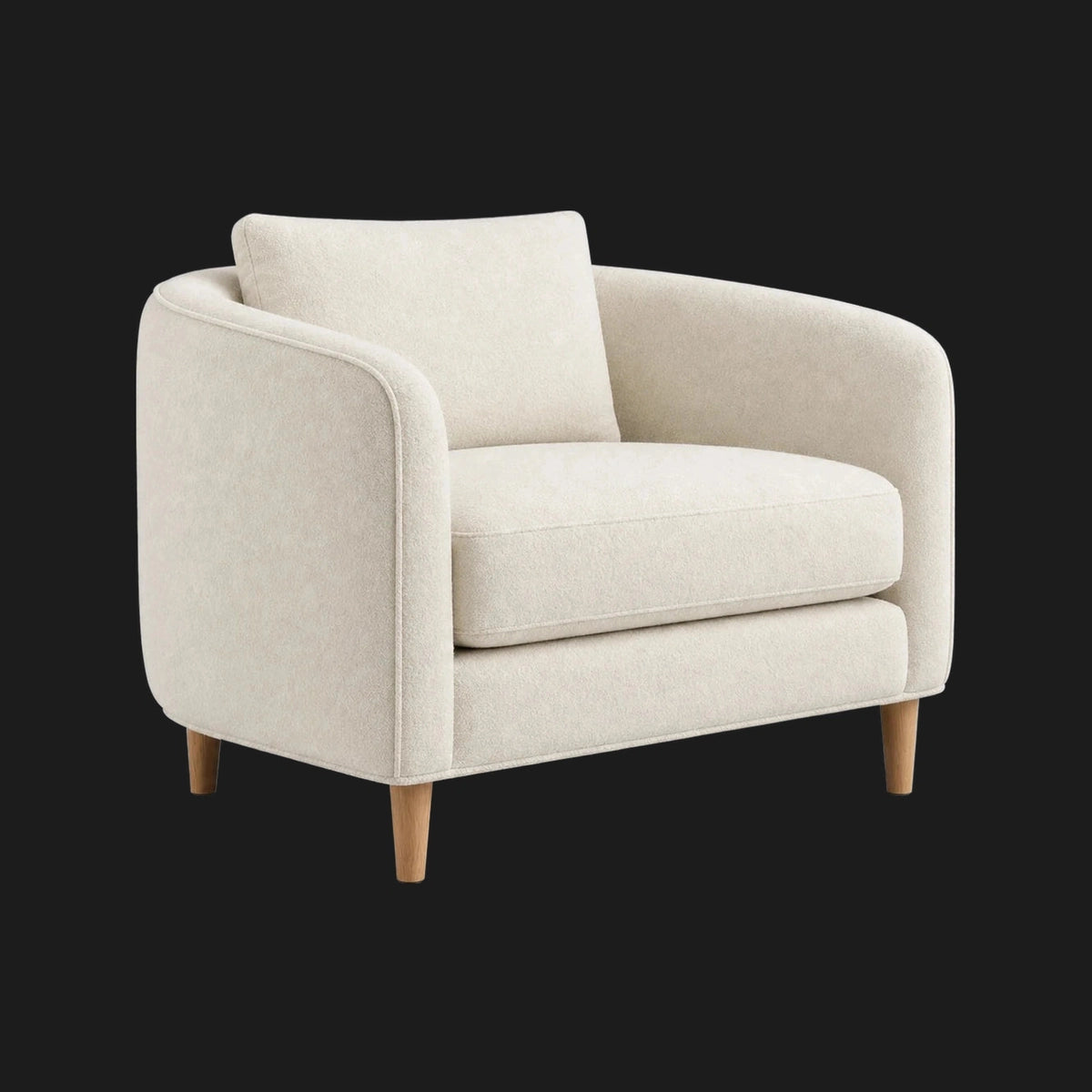
Remmy wraps a loose seat and back cushion in a low, curved arm profile. Exposed wooden legs lift the upholstered body from the floor, keeping the chair open and easy to place within a seating group.
A frame-and-panel engineered-wood structure supports steel sinuous springs. High-density foam with a polyester wrap gives the cushions their shape, and removable rubberwood legs include levelers for uneven floors.
Save Your Design

Furniture is made to order. Standard production takes approximately 4–8 weeks from order confirmation, depending on the piece and material availability. Any product-specific schedule takes precedence; transit time is additional.
Large furniture delivery in the contiguous U.S. includes room placement, assembly and packaging removal. Delivery fees depend on location and product size. Alaska, Hawaii, U.S. territories and international delivery may be available by request.
Once production begins, made-to-order furniture and lighting cannot be returned or exchanged for a change of mind.
Items that arrive with verified transit damage or manufacturing defects are eligible for return and refund. Contact support@truestco.com with your order number and photos so we can review the issue and arrange the return.
Inspect your order on arrival and note visible damage on the delivery receipt. Report concealed transit damage within 24 hours of delivery with photos. This window does not limit manufacturing-defect or later warranty claims.
For order payments other than the Second Quote deposit, a full cancellation refund is available within 24 hours of purchase, provided actual production has not begun. Made-to-order furniture and lighting cannot be canceled after production starts.
If you paid a $99 Second Quote deposit, it is credited toward your final order and remains refundable until actual production begins, including after 24 hours. Human review or approval of specifications alone does not mean production has started.
Once an order has shipped, it cannot be canceled. Cancellation and deposit terms
Covered hardwood furniture frames and core structural components have a 10-year limited warranty. Foam cushions, upholstery fabrics, leather, hardware and finishes have 1-year limited coverage.
Coverage is for the original purchaser under normal residential use. Normal wear, misuse, accidental damage and commercial use are excluded. Contact support@truestco.com with your order number and photos to make a claim.
Choose options
Materials & construction
Explore the materials and how each part is made.
| Component | Product specification | Construction reference |
|---|---|---|
| Italian Brushed Wool upholstery Origin: Italy |
Wool yarns are woven, carded and brushed to create a smooth, softly matte upholstery surface. Fine tonal variation gives the fabric depth without a coarse grid. The brushed finish softens the look of seams and curved upholstered edges. |
Maiden Home's Italian Brushed Wool is woven in Italy from virgin-wool yarns, then carded and brushed. The finishing raises a soft surface with a restrained matte appearance, while tonal yarn variation adds depth. The benchmark combines wool fibre, woven construction and the brushed finishing process. |
| Heritage Belgian Linen upholstery Origin: Belgium |
A linen upholstery with a softly uneven, slubbed surface and slight tonal differences between warp and weft. The texture gives broad upholstered panels depth without a printed pattern. Natural creasing is part of its relaxed appearance. |
Maiden Home's Heritage Belgian Linen is woven at a mill in western Belgium. Naturally slubbed yarns and tonal variation between warp and weft give the cloth visible depth, while its relaxed drape suits soft cushions and removable covers. The benchmark is woven linen texture and yarn character. |
| Mohair upholstery Origin: United States |
Mohair upholstery has a fine pile that changes shade as the fibres and viewing angle change. Its restrained lustre gives curved arms and cushion faces tonal depth. Lightly shifting pile direction is part of the surface character rather than a printed colour effect. |
Maiden Home's Mohair is woven at an American mill from Angora-goat hair. Its plush directional pile produces natural lustre and changes in tone with the light and brushing direction. The material benchmark is the fibre and pile construction, with visible depth across curved upholstery. |
| Performance Linen Weave upholstery Origin: China |
Linen and cotton fibres form a fine woven surface with a soft hand and gentle sheen. The subtle texture follows both tailored frames and loose covers without a thick pile. Blot spills promptly and follow the selected textile's cleaning instructions. |
Maiden Home's Performance Linen Weave combines linen and cotton fibres in a fine weave, with a soft hand and gentle sheen. Its restrained surface texture follows fitted panels cleanly, providing a smoother textile benchmark than a coarse, heavily slubbed linen weave. |
| Performance Velvet upholstery Origin: China |
A dense, short-pile velvet gives the upholstery a smooth hand and a soft sheen. Pile direction creates lighter and darker areas on curved panels and compressed cushions. The changing shade is a characteristic of the pile rather than an additional pattern. |
Maiden Home's Performance Velvet has a smooth pile, a soft sheen and directional shading. Light changes the depth of colour across cushion faces and rounded arms. The material benchmark is the even velvet pile and supple surface response over fitted upholstery. |
| Performance Woven Chenille upholstery Origin: China |
Chenille yarns create a fine, low-pile woven surface with a softly velvety hand. The subtle two-tone effect gives the upholstery depth while keeping the overall colour quiet. The texture comes from the yarn and weave rather than a raised printed motif. |
Maiden Home's Performance Woven Chenille combines a velvety hand with a two-tone weave and subtle lustre. Soft chenille yarns provide the tactile surface, while the woven colour variation adds depth. The benchmark is the yarn construction and dimensional texture across upholstered panels. |
| Frame-and-panel structure Origin: China |
Engineered-wood members and panels form the chair's concealed supporting body. This frame-and-panel construction establishes the curved arms and back while providing attachment points for the seat suspension. |
Pottery Barn Remmy: The original uses engineered-wood panels as part of its supporting upholstered frame. The comparison concerns the panel structure and reinforcement under the padding, rather than treating every concealed part as solid hardwood. |
| Steel sinuous-spring support Origin: China |
Curved steel sinuous springs run beneath the seating area and yield under the cushion. They provide a separate supporting layer, so the sit is determined by both the suspension and the cushion filling above it. |
Pottery Barn Remmy: The original supports the seat with curved steel sinuous springs beneath the padding. The comparison concerns a resilient metal spring deck, distinct from interwoven webbing alone or coil springs tied individually to a base. |
| High-density foam cushions Origin: China |
High-density foam forms the cores of the separate seat and back cushions. It gives each cushion an underlying shape, so the loose pieces retain defined edges within the curved-arm frame. |
Pottery Barn Remmy: The original uses shaped high-density foam inside its upholstered cushions. The comparison concerns supporting cores and cushion geometry, with any softer wrap distinguished from the foam itself. |
| Polyester cushion wrap Origin: China |
Polyester wraps the foam cores to soften the surface under the upholstery. The wrap rounds the cushion edges and separates the decorative fabric from the supporting foam. |
Pottery Barn Remmy: The original uses a polyester-fibre layer around the cushion core. The comparison concerns the softer surface and rounded edges supplied by the wrap, without reclassifying the cushion as loose down fill. |
| Removable rubberwood legs Origin: China |
Solid-rubberwood legs are fitted separately beneath the upholstered body. Their exposed shape lifts the chair above the floor and can be removed when required. |
Pottery Barn Remmy: The original specifies solid rubberwood legs beneath the upholstered body. The comparison covers the timber support and shaped leg profile, with the finish colour separate from the wood species. |
| Adjustable levelers Origin: China |
Levelers beneath the legs allow small adjustments at the floor contact points. They help the chair stand evenly while leaving the visible timber legs and the upholstered frame unchanged. |
Pottery Barn Remmy: The original includes adjustable floor contacts beneath its supporting feet or frame. The comparison concerns levelling at the contact points and preserving the intended seat support on a slightly uneven floor. |
Second Quote · Factory Direct





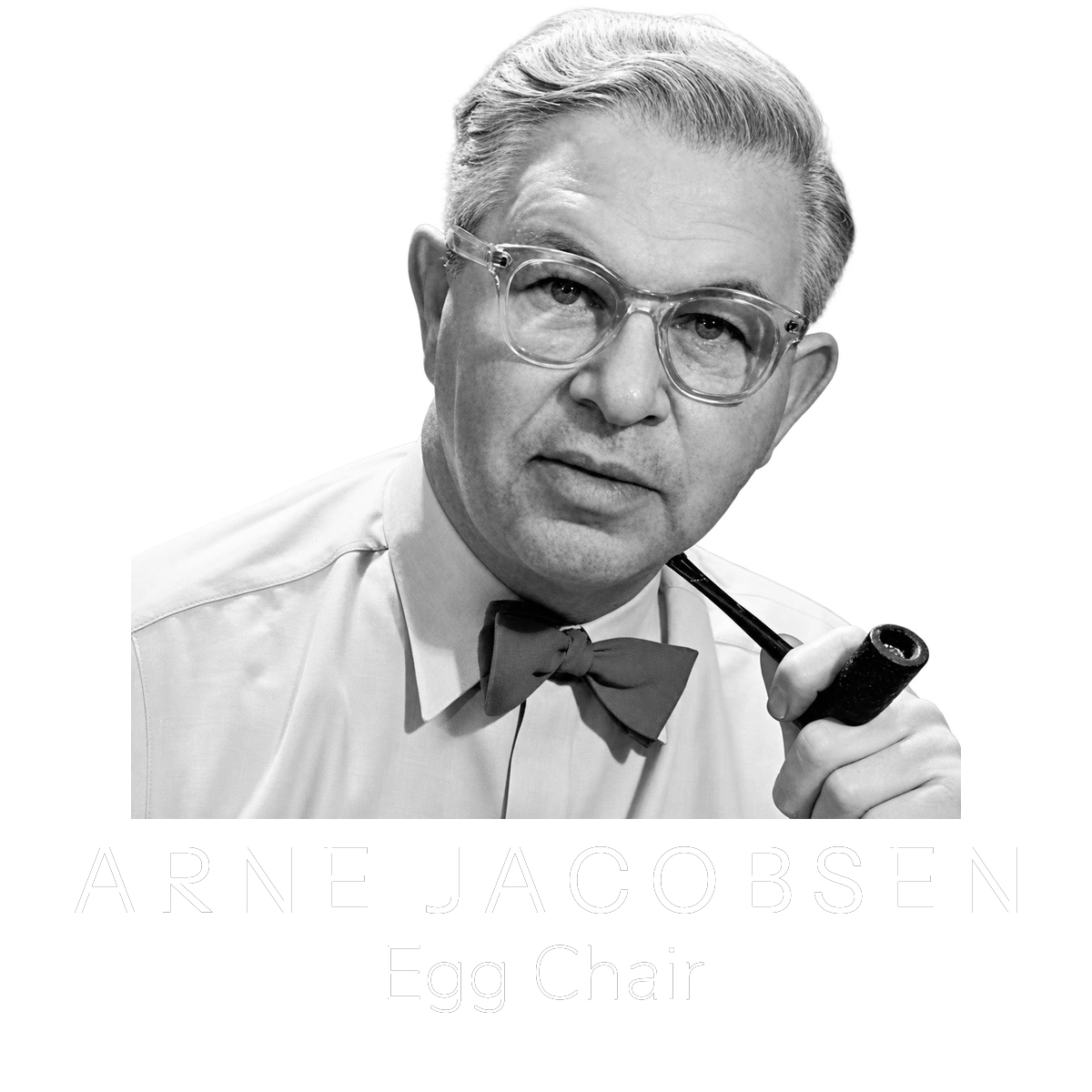


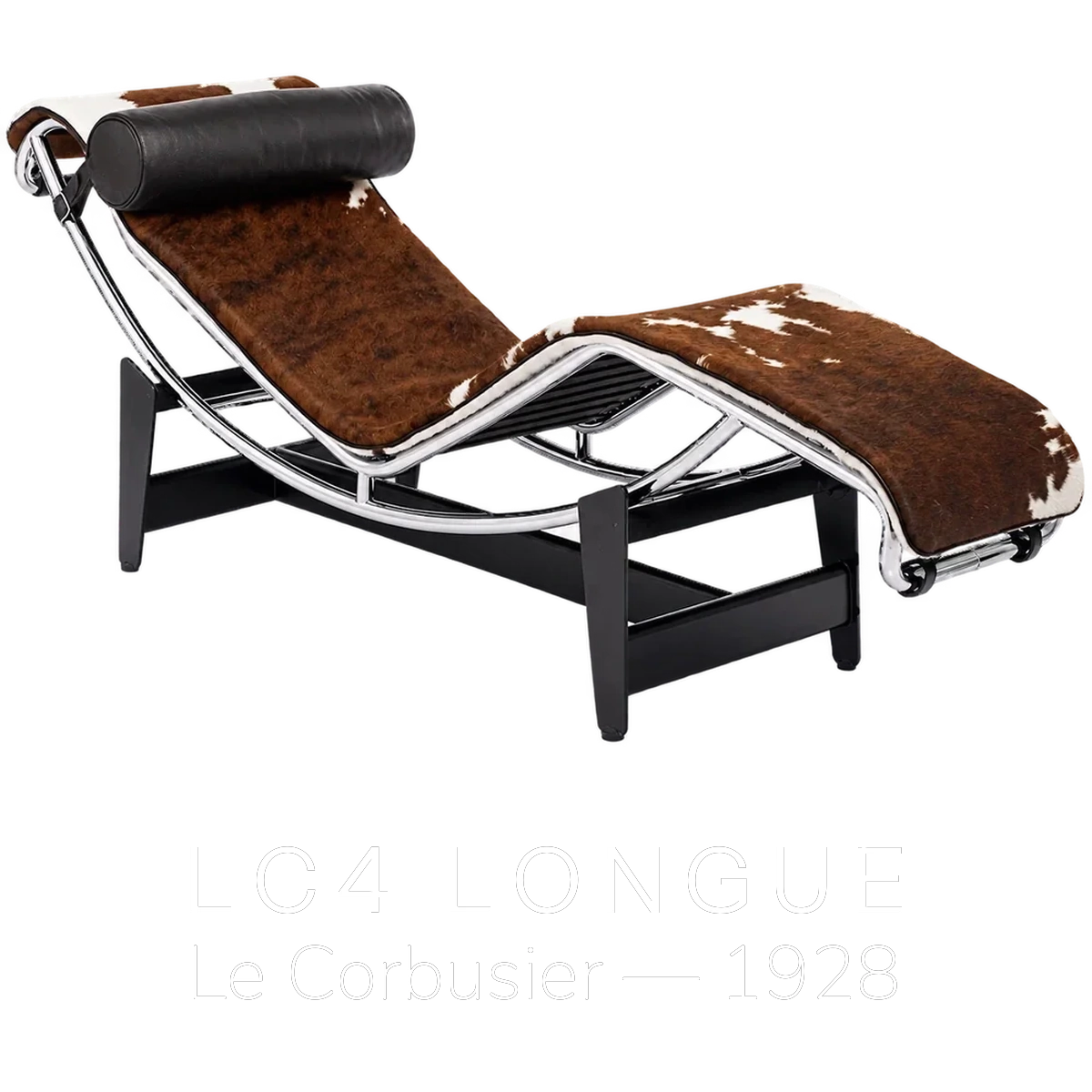
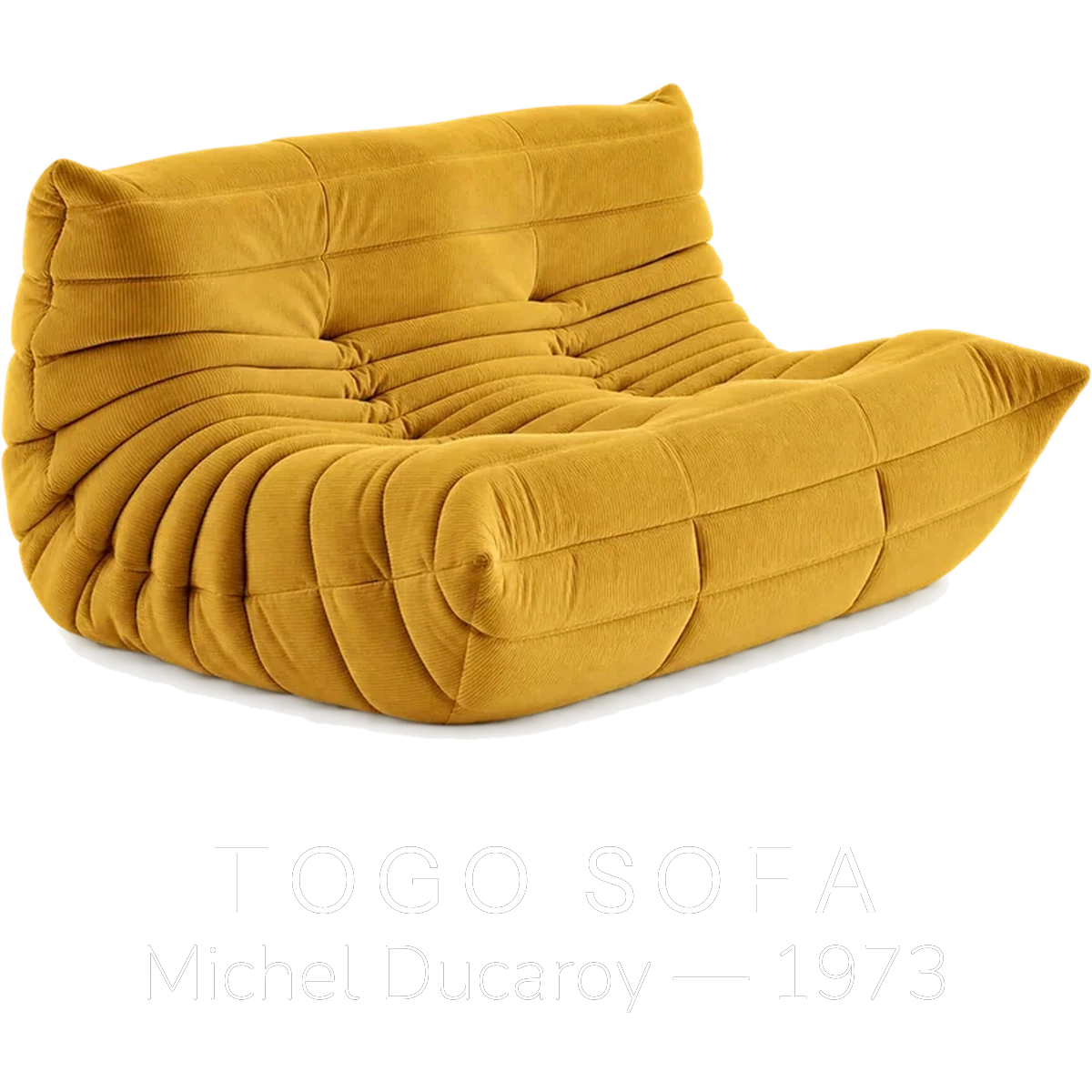
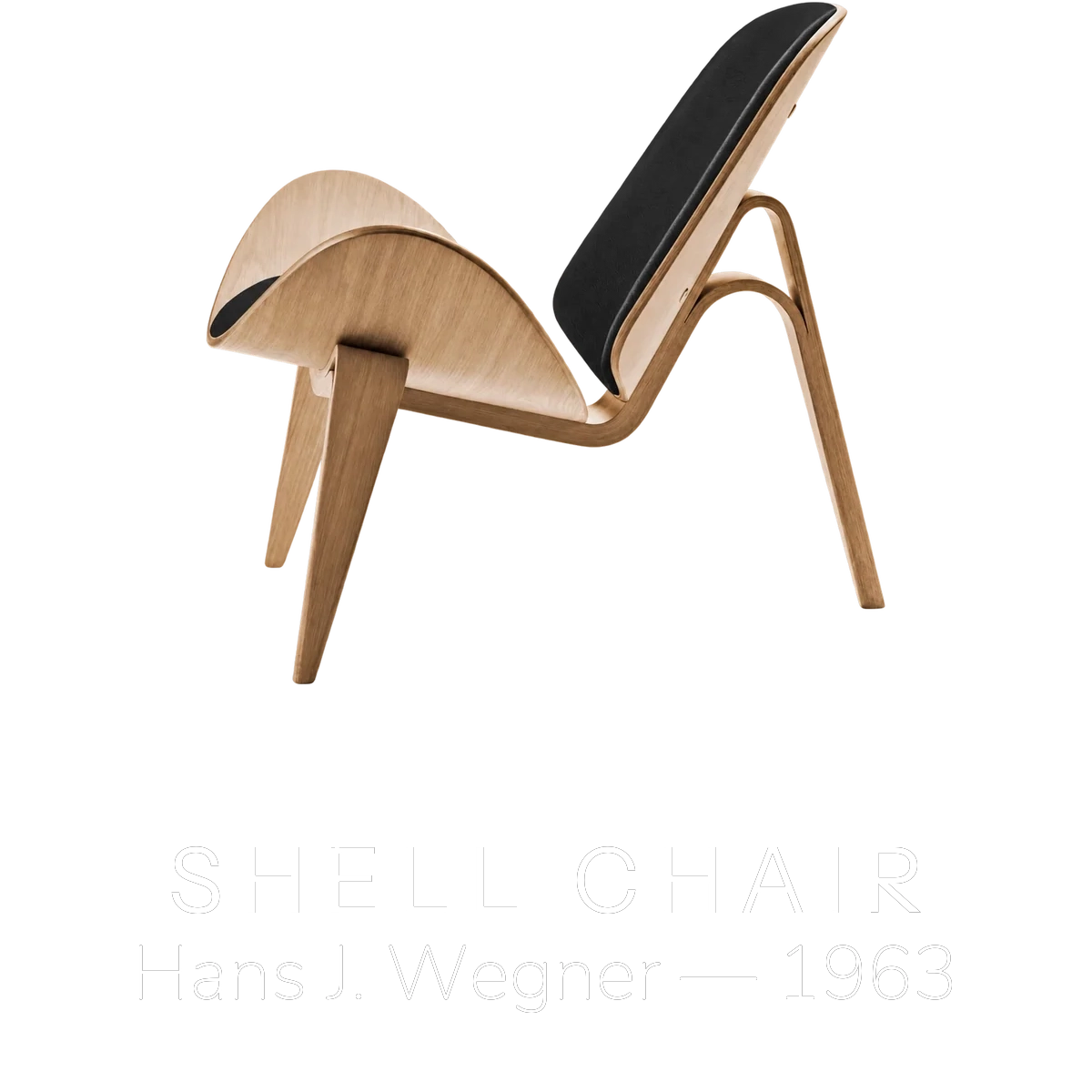


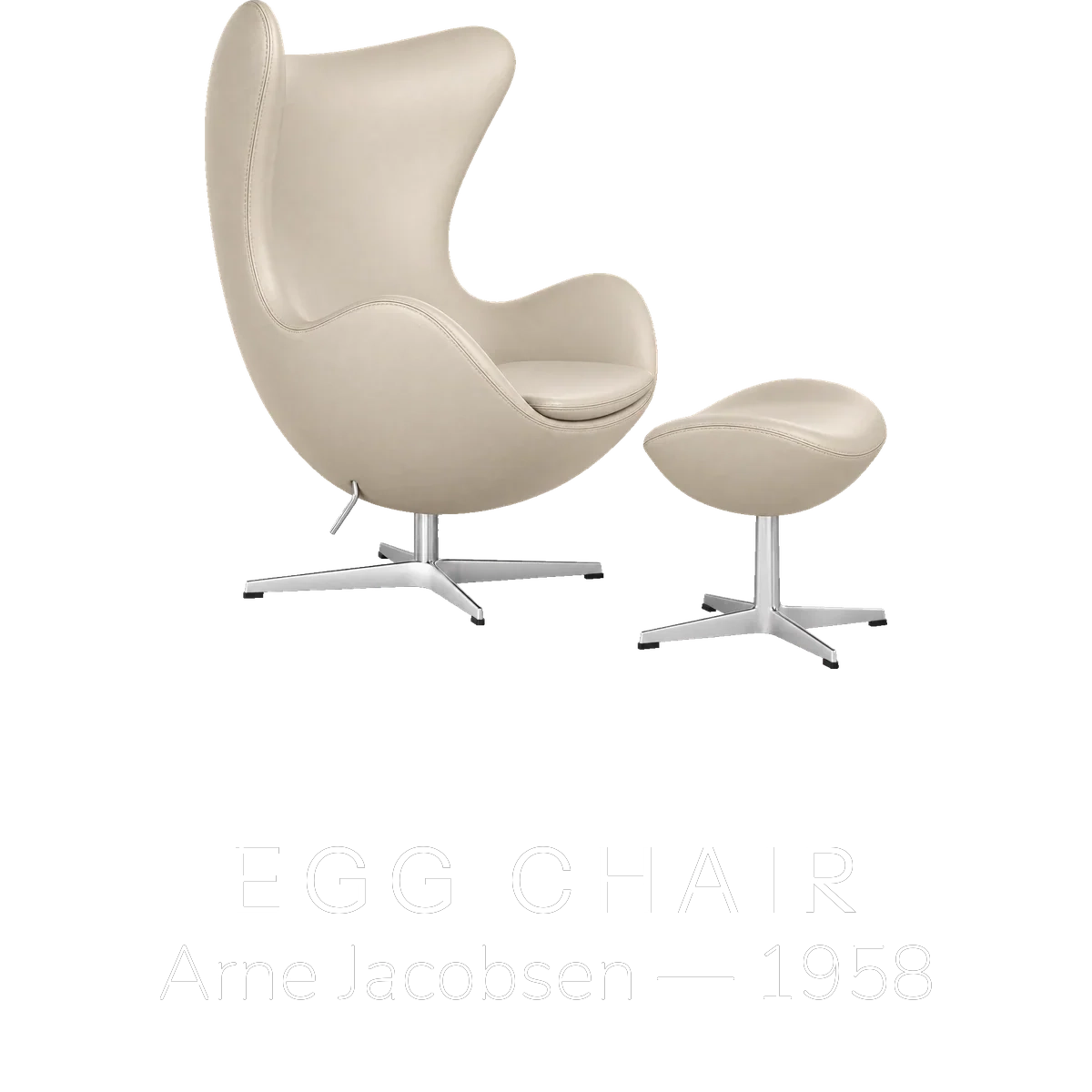


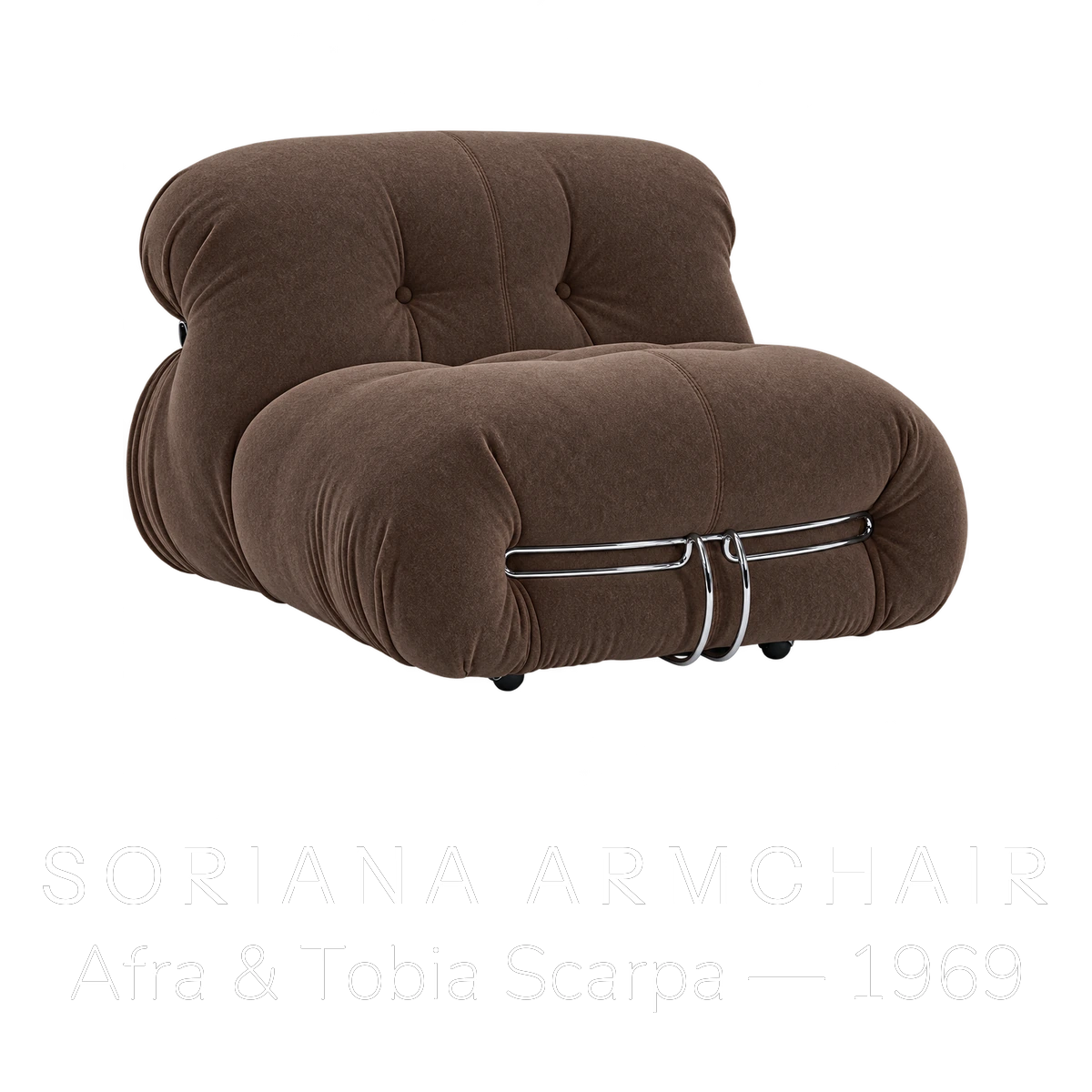
FOUND A PIECE YOU LOVE?
Bring any piece you love, from any brand, at any budget. Receive your factory-direct quote within one minute.
2026
the choice of designers
oak & life
Pair text with an image to focus on your chosen product, collection, or blog post. Add details on availability, style, or even provide a review.
View the detailstogo boss
Pair text with an image to focus on your chosen product, collection, or blog post. Add details on availability, style, or even provide a review.
View the detailstogo fireside
Pair text with an image to focus on your chosen product, collection, or blog post. Add details on availability, style, or even provide a review.
View the detailsoutdoor
Pair text with an image to focus on your chosen product, collection, or blog post. Add details on availability, style, or even provide a review.
View the detailswind tender
Pair text with an image to focus on your chosen product, collection, or blog post. Add details on availability, style, or even provide a review.
View the detailsFrequently Asked Questions
Large furniture delivery in the contiguous U.S. includes room placement, assembly and packaging removal. Shipping fees depend on location and product size. Alaska, Hawaii, U.S. territories and international delivery may be available by request. Lighting delivery arrangements are confirmed for the selected fixture. Delivery details
Standard furniture production takes approximately 4–8 weeks from order confirmation, unless a product-specific schedule is stated. Lighting production and dispatch timing are confirmed for the selected fixture. Transit time is additional. Production and delivery details
Items that arrive with verified transit damage or manufacturing defects are eligible for return and refund. Contact support@truestco.com with your order number and photos. Report concealed transit damage within 24 hours of delivery; this does not limit manufacturing-defect or later warranty claims.
Made-to-order furniture and lighting cannot be returned for a change of mind once production starts. Eligible non-custom decor follows separate 30-day return terms, including customer-paid return shipping and a possible restocking fee of up to 15%. Return terms
For payments other than the $99 Second Quote deposit, a full cancellation refund is available within 24 hours of purchase if actual production has not begun. The $99 deposit remains refundable until actual production starts, including after 24 hours; human review or approval of specifications alone does not mean production has started. Made-to-order furniture and lighting cannot be canceled after production begins. Orders that have shipped cannot be canceled. Cancellation and deposit terms
Covered hardwood furniture frames and core structural components have a 10-year limited warranty. Foam cushions, upholstery fabrics, leather, hardware and finishes have 1-year limited coverage. Lighting fixtures have a 1-year limited warranty, excluding bulbs and other light-source consumables. Coverage is for the original purchaser under normal residential use and is subject to the policy’s exclusions. Coverage and exclusions